

BUSINESS TECHNOLOGY · BREAKING EXPLAINER
RAMageddon 2026: Why iPhone, Android Phones and Laptops Are Suddenly Getting More Expensive
The 2026 memory-chip shortage is no longer an invisible supply-chain problem. It is showing up in the prices of iPhones, Android phones, laptops, PCs and gaming hardware. AI data centers are consuming an extraordinary share of advanced memory capacity, manufacturers are prioritizing high-margin server products, and consumer-device makers are being forced to choose between higher prices, lower specifications or thinner margins.
Published September 21, 2026 · Updated for today’s price-hike reports · International consumer-tech explainer
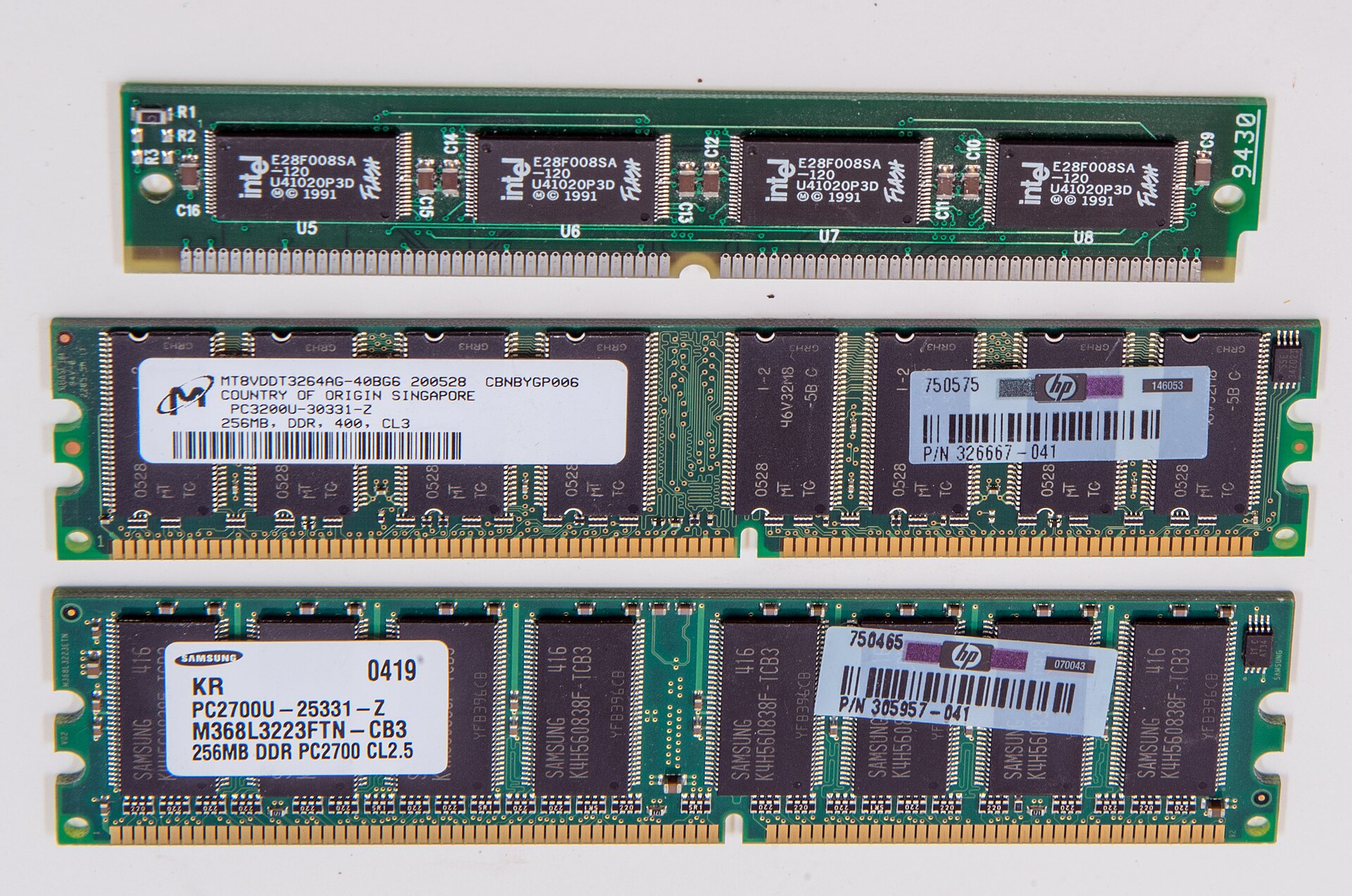
Actual RAM circuit-board photo. Photo: Hannes Grobe / Wikimedia Commons, CC BY-SA 4.0. Resized for web. Source file.
Quick answer
“RAMageddon” is the consumer-facing result of a global memory shortage that has been building since late 2025. AI data centers need huge quantities of high-bandwidth memory and high-capacity DRAM. Memory manufacturers have shifted limited production capacity toward those higher-margin products, leaving less conventional DRAM and NAND available for phones, PCs and other consumer electronics.
A September 21 report from The Guardian says Apple has raised U.K. iPhone prices by £100 across new, older and refurbished models, while Samsung and Google have also increased some phone prices. The exact increase varies by market and product, but the underlying pressure is global.
What matters for buyers: affordable devices are especially vulnerable because memory represents a larger share of their total component cost. Expect fewer generous RAM/storage upgrades, slower discounting and more pressure on entry-level and mid-range prices if the shortage persists.
What people are searching right now
- Why are iPhone prices going up?
- RAM shortage 2026 / memory chip shortage 2026
- Why are laptops and PCs more expensive?
- Is AI causing higher phone prices?
- Will RAM and SSD prices come down?
- Should I buy a phone or laptop now?
Digital Pulse Brief is targeting this topic because it combines a breaking consumer-price story with a broader supply-chain problem likely to remain relevant beyond today’s headlines.
The headline: iPhone prices are already moving
The shortage became much more visible to mainstream buyers on September 21 when The Guardian reported that Apple had increased U.K. iPhone prices by £100, including older and refurbished models. The report links the increases to higher costs for memory and other critical components as the global technology industry competes for limited chip supply.
That does not mean every country will see the same increase, or that every product will move at the same time. Apple, Samsung and Google use different supply contracts, inventory positions and regional pricing strategies. But the direction matters: the long-standing expectation that older phones become steadily cheaper after a new launch is under pressure.
For Apple buyers, this lands just days after the iPhone 18 family reached stores. Our iPhone 18 Pro review covers the new camera, A20 Pro chip and charging improvements; the memory shortage changes the context around those upgrades because even previous-generation hardware may not fall in price as quickly as buyers expect.
This is one reason today’s story has unusually broad search potential: it affects both people shopping for the newest flagship and people deliberately waiting for an older phone to become cheaper.
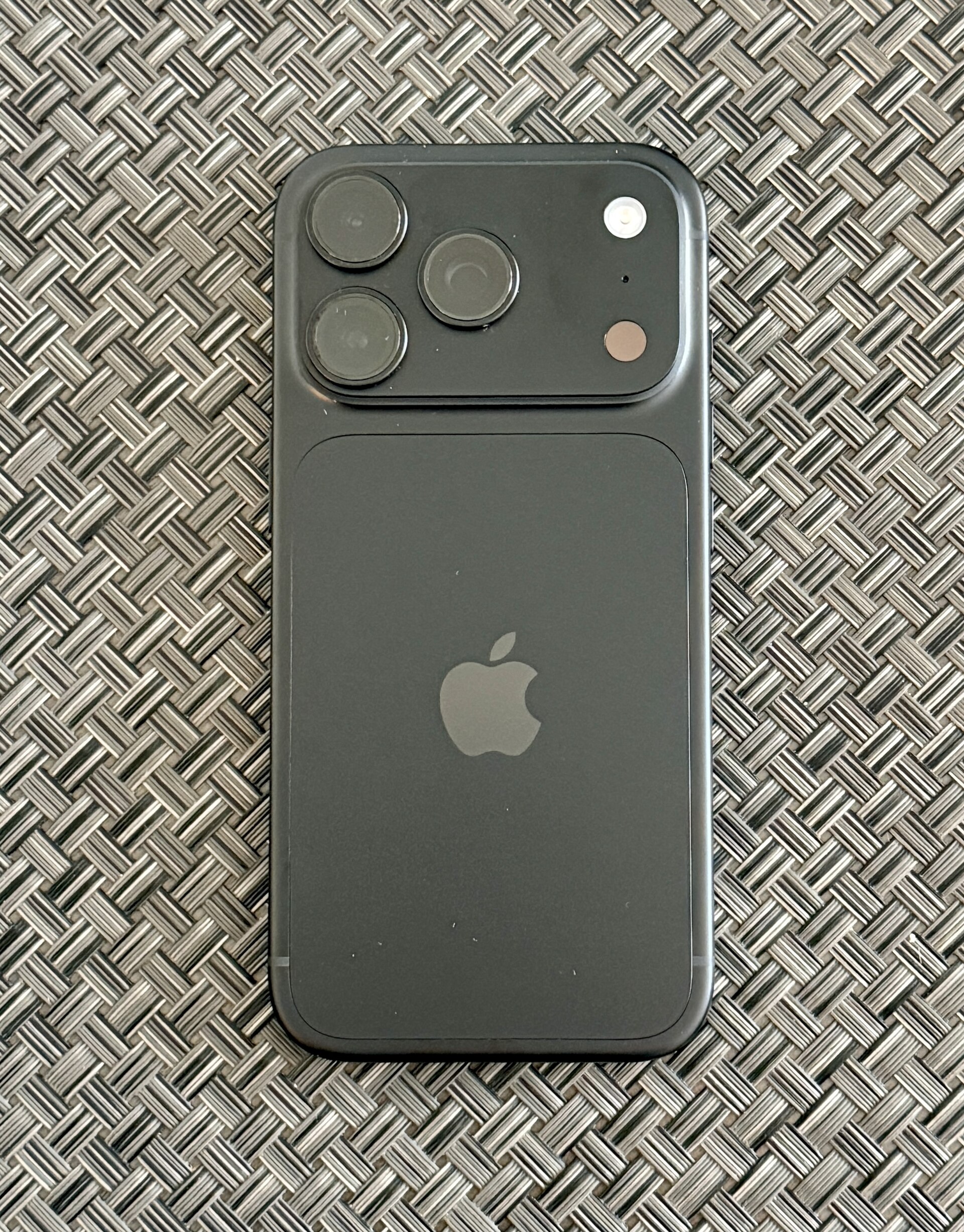
Actual iPhone 18 Pro photo. Photo: Farragutful / Wikimedia Commons, CC BY-SA 4.0. Resized for web. Source file.
Why AI data centers are squeezing phone and PC memory
The central mechanism is simple: the world has limited semiconductor fabrication and packaging capacity, and AI infrastructure has become an enormous buyer of memory.
IDC’s analysis of the 2026 memory crisis says manufacturers have shifted production toward high-bandwidth memory (HBM) and high-capacity DDR5 used in AI servers and hyperscale data centers. Those products are more profitable than the conventional DRAM and NAND used in phones, laptops and consumer SSDs.
The important point is that HBM demand does not exist in a separate universe. It competes for cleanroom space, wafer capacity, advanced packaging, engineering investment and capital expenditure. When Samsung Electronics, SK Hynix and Micron prioritize AI-server memory, fewer resources are available for lower-margin consumer products.
IDC described the shift as more than a normal boom-and-bust memory cycle. Its concern is that part of the industry’s production base is being strategically reallocated toward AI infrastructure, which could keep consumer memory relatively tight even after short-term demand fluctuations ease.
That is why “AI makes your phone more expensive” is not just a catchy headline. The connection runs through the same memory supply chain.
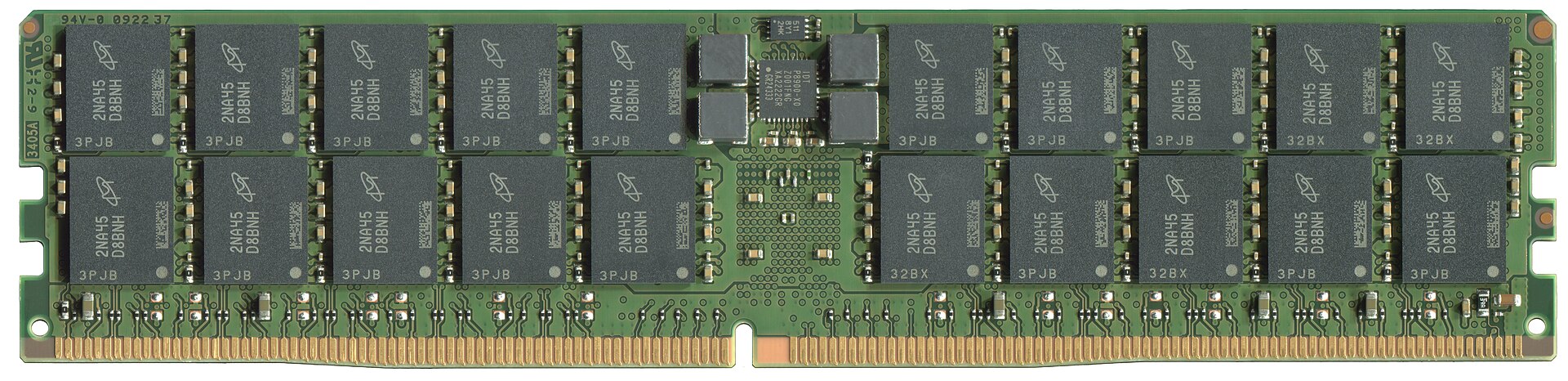
Actual Micron DDR5 server-memory module. Photo: PantheraLeo1359531 / Wikimedia Commons, CC BY 4.0. Resized for web. Source file.
What gets more expensive first?
| Device category | Why memory matters | Likely consumer effect |
|---|---|---|
| Budget & mid-range phones | Memory can be a large share of total bill of materials. | Higher prices, slower RAM/storage upgrades, thinner discounts. |
| Flagship phones | Higher absolute memory use but stronger margins and contracts. | Price rises may be smaller proportionally, but premium SKUs can still move up. |
| Laptops & desktops | RAM and SSD storage are highly visible configurable components. | Higher base prices and expensive memory/storage upgrades. |
| Gaming PCs | DIY builders buy memory and SSDs directly. | Immediate component-price pressure and less predictable build costs. |
| Consoles / handhelds | Fixed memory configurations make redesign difficult. | Manufacturers may absorb costs, revise bundles or raise retail prices. |
IDC estimates that memory can account for roughly 15–20% of the bill of materials in a mid-range smartphone and around 10–15% in a high-end flagship. A more recent Reuters report on smaller manufacturers says memory can represent an even larger share of component cost in some lower-priced devices.
That is why budget technology can be hit harder than luxury hardware. A premium manufacturer has more margin and more negotiating leverage. A company selling a $250–$400 phone has less room to absorb a sudden component increase without changing the specification or retail price.
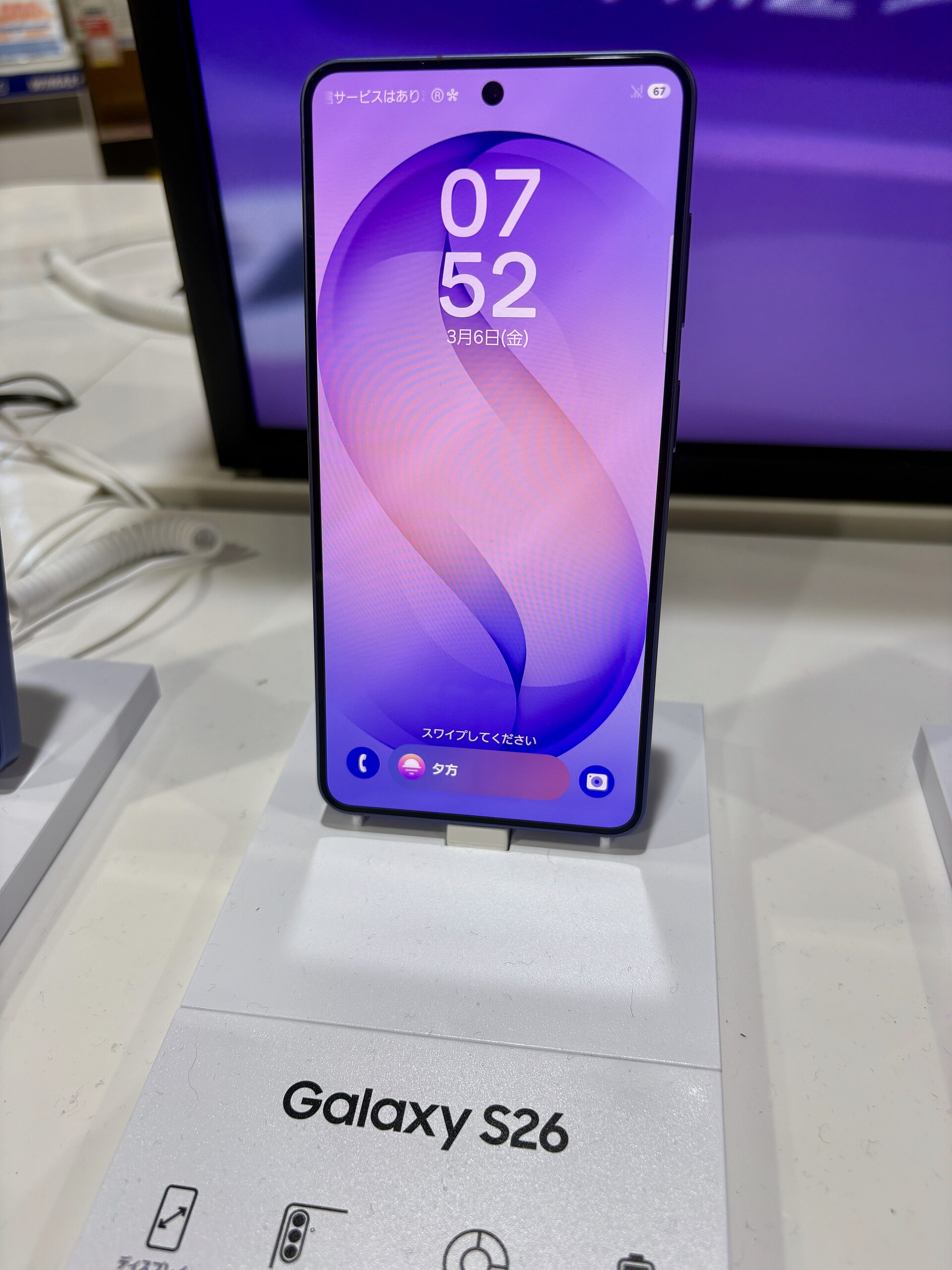
Actual Samsung Galaxy S26 photo. Photo: Kyu3a / Wikimedia Commons, CC BY-SA 4.0. Resized for web. Source file.
Why Android makers may feel more pressure than Apple
The shortage does not affect every manufacturer equally. Apple and Samsung buy at enormous scale, negotiate long-term component contracts and have stronger margins at the premium end. Smaller Android manufacturers and PC makers have less bargaining power and less inventory protection.
IDC warned that value-focused smartphone brands could face particularly difficult choices: pass higher component costs to consumers, reduce memory/storage specifications, delay launches or accept lower margins. That can reverse a trend buyers have enjoyed for years, where inexpensive phones steadily gained more RAM and storage.
Samsung sits in an unusual position because it is both a major device maker and one of the world’s largest memory producers. That does not make its phone business immune to market pricing or internal supply allocation, but it does give the company a different level of supply-chain resilience than smaller rivals.
If you are considering a premium Android foldable, our Galaxy Z Fold8 review shows how high-end mobile prices already sit near the limits of what many consumers will tolerate. A memory-driven increase on top of those launch prices makes financing, trade-ins and promotional timing more important.
How long could RAMageddon last?
There is no reliable date when memory prices suddenly “go back to normal.” The most credible industry signals point to a multi-year adjustment rather than a short holiday-season shortage.
In its late-2025 analysis, IDC said the imbalance could persist well into 2027. A September 16, 2026 Reuters report says smaller phone and laptop makers are preparing for years of scarcity, with SK Hynix indicating 2027 could be especially difficult for available capacity.
Supply will expand, but advanced memory factories and packaging capacity cannot be created instantly. At the same time, AI infrastructure demand is not standing still. Every new hyperscale data center, accelerator cluster and inference platform increases the amount of high-end memory the industry wants to buy.
China’s CXMT is already moving to expand into NAND flash, according to Reuters, which is one example of how manufacturers are responding to the shortage. But new production lines take time to qualify and ramp, and demand may continue growing while they do.
The practical expectation for consumers is therefore not “all electronics will keep rising forever.” It is that the easy era of cheap memory upgrades and predictable year-over-year price declines may be interrupted for longer than one product cycle.
Should you buy now? A practical 2026 strategy
Do not panic-buy a phone or laptop just because “RAMageddon” is trending. Price pressure is real, but retail markets do not move in a straight line. Manufacturers still run launch promotions, carriers subsidize phones, retailers clear inventory and trade-in programs can offset increases.
- If you need a phone now: compare the current model with last year’s version at third-party retailers. The old model may still offer better value before channel inventory tightens.
- If you need a laptop: choose enough RAM and SSD capacity for several years. Soldered memory means many modern laptops cannot be cheaply upgraded later.
- If you build PCs: price the whole system, not one part. RAM and SSD spikes can change which CPU/GPU combination gives the best total value.
- If you can wait: track promotions rather than assuming MSRP will fall on a fixed schedule.
- If you buy budget Android: pay close attention to RAM/storage. Manufacturers may preserve headline processor or camera specs while quietly reducing memory configurations.
For consumers, the best defense is flexibility. A buyer locked to one exact model, storage tier and launch date has less leverage than someone willing to choose between two generations or several brands.
RAM shortage 2026 FAQ
What is RAMageddon?
It is an informal label being used for the 2026 memory-chip shortage and the resulting price increases across phones, PCs, laptops and other electronics.
Is AI really causing the RAM shortage?
AI infrastructure is a major driver. IDC says memory manufacturers have shifted significant production capacity toward HBM and high-capacity DDR5 for AI servers, tightening supply for conventional consumer DRAM and NAND. Other supply and manufacturing constraints also affect prices.
Are iPhone prices increasing because of memory chips?
The Guardian reported on September 21 that Apple had raised U.K. iPhone prices by £100 amid higher memory and component costs. Pricing varies by country and model, so buyers should check current local pricing rather than assume the same increase everywhere.
Will RAM prices fall in 2027?
They could ease, but current industry reporting does not support a confident date. IDC and Reuters both describe supply pressure extending into 2027, with AI demand continuing to compete for manufacturing capacity.
Which devices are most vulnerable to price increases?
Budget and mid-range devices can be especially exposed because memory represents a larger percentage of their total component cost and manufacturers have less margin to absorb increases.
Bottom line
RAMageddon is the clearest example yet of AI infrastructure changing the economics of ordinary consumer technology. The same investment boom that is building bigger AI models and data centers is competing for memory capacity that also feeds smartphones, PCs and storage devices.
For buyers, the effect will not be identical everywhere. Some brands will absorb more cost, some will raise prices, and some will quietly reduce specifications. But the direction is clear enough to change shopping behavior: compare generations, watch RAM/storage tiers carefully and do not assume older devices will automatically become cheaper after every launch.
Sources and methodology
This article combines breaking reporting published September 21, 2026 with first-party market analysis and recent industry reporting. Digital Pulse Brief did not independently audit manufacturers’ component contracts; claims about company pricing or supply conditions are attributed to the sources below.
- The Guardian — “RAMageddon” and consumer electronics price rises (September 21, 2026)
- IDC — Global Memory Shortage Crisis: 2026 smartphone and PC impact
- Reuters — Smaller phone and laptop makers prepare for years of memory scarcity (September 16, 2026)
- Reuters — CXMT expands toward NAND amid global shortage (September 18, 2026)
- Wikimedia Commons — RAM-chips.jpg, Hannes Grobe, CC BY-SA 4.0
- Wikimedia Commons — Micron DDR5 module, PantheraLeo1359531, CC BY 4.0
- Wikimedia Commons — Galaxy S26, Kyu3a, CC BY-SA 4.0
DIGITAL PULSE BRIEF NEWSLETTER
Get clear AI, technology and business insights in your inbox
Breaking developments, practical explainers, reviews and useful tech intelligence — without the noise.
WHAT TO READ NEXT
SaaS vs On-Premise Software: Cost, Security, Control and the Hybrid Reality in 2026  SoftBank Is Raising $11 Billion for OpenAI — What the Debt-Fueled AI Bet Means
  Salesforce AIforce Explained: How CRM Data Moves Into Claude, Slack and Any AI Interface
MORE FROM DIGITAL PULSE BRIEF