
CYBERSECURITY & PRIVACY · AI & AUTOMATION
Amazon Blocks Meta Muse AI Agent From Shopping — The Privacy Fight Behind Agentic Commerce
Amazon has blocked Meta’s new Muse AI agent from shopping on Amazon.com, escalating a fight over who controls customer accounts when autonomous AI assistants browse, compare products and make purchases for users. Amazon says Muse was operating without authorization and raised privacy, security and transparency concerns. Meta says Muse was designed around secure credentials, user approvals and a dedicated virtual machine. The clash is a preview of a much bigger internet question: when an AI acts for you, does a website have to let it in?
Published September 21, 2026 · Breaking explainer · Updated with Meta, Amazon and independent reporting
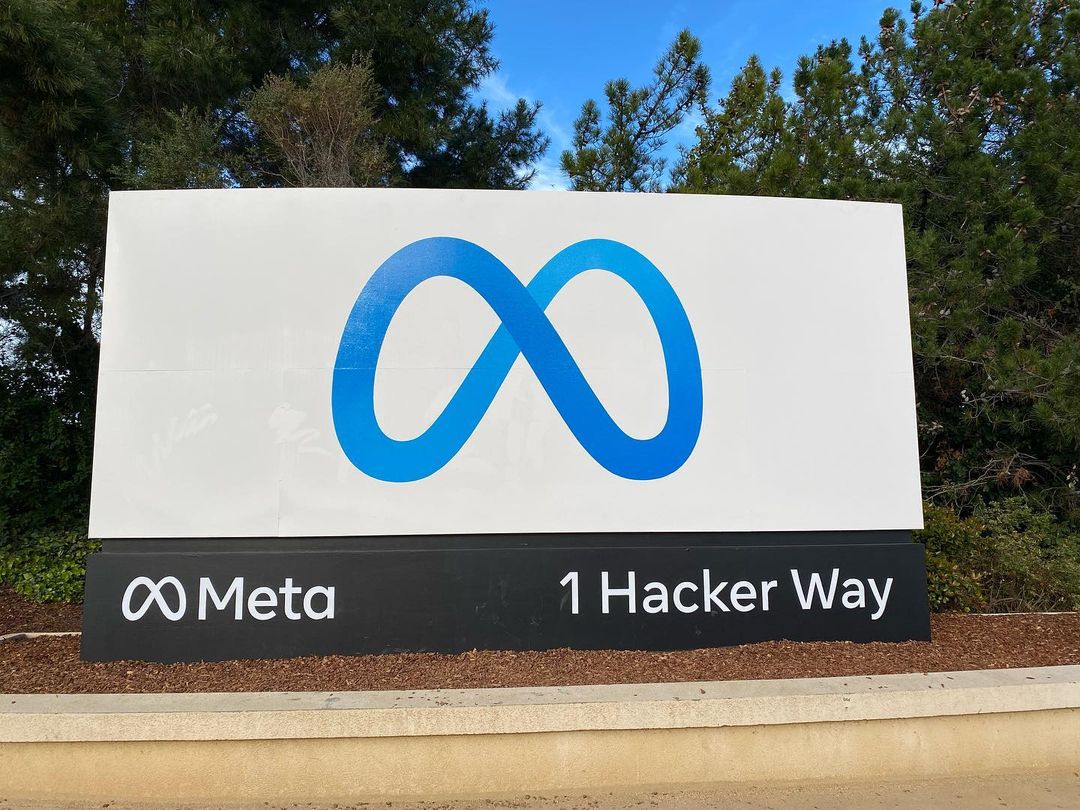
Meta headquarters entrance sign in Menlo Park. Photo: Nokia621 / Wikimedia Commons, CC BY-SA 4.0. Resized for web. Source file.
Quick answer
Amazon blocked Meta Muse because it says the AI agent was shopping on Amazon without Amazon’s authorization, did not identify itself while browsing, and appeared to handle customer-account data in ways Amazon considers a privacy and security risk.
Users trying to send Muse to Amazon began seeing a notice saying access by an unauthorized AI agent violates Amazon’s Conditions of Use. Amazon told GeekWire that Meta had not notified it in advance and that Amazon had asked Meta to remove Amazon from Muse’s shopping experience.
Meta has made a different security case. Its launch documentation says Muse runs in a dedicated “Muse Secure VM,” stores credentials in secure storage, cannot see passwords or payment methods, asks before sensitive actions such as purchases, and provides an audit trail. Meta also says users control which connected services Muse can access.
The dispute is not simply “Amazon versus Meta.” It is an early battle over agentic commerce: whether third-party AI assistants can enter websites, use a customer’s account and complete transactions without the site operator opting in.
What happened between Amazon and Meta Muse?
Meta launched Muse in the United States on September 8, 2026 as a personal AI agent that can carry out multi-step tasks instead of merely answering questions. Meta says Muse can browse the web, fill forms, manage inbox tasks, book travel, negotiate on a user’s behalf and ask for approval before sending an email or making a purchase.
Shopping was one of the launch examples. Meta’s own materials describe Muse as an agent that can use a service’s public API when one exists, or operate through a browser “the way you would” when an API is unavailable.
That browser-based behavior is now at the center of the Amazon dispute. GeekWire reported that Amazon cut Muse off after asking Meta to exclude Amazon voluntarily. Amazon says the agent did not identify itself as an automated third party while browsing, and says it appeared capable of reaching sensitive customer areas such as account pages and order history.
The Verge reported the same block on September 21. Amazon’s message to Muse users says continued access by an unauthorized AI agent violates the retailer’s Conditions of Use. Amazon’s position is that applications making purchases on behalf of users should operate transparently and respect whether a merchant wants to participate.
Meta had not publicly responded to those specific Amazon allegations at the time of GeekWire’s report. That distinction matters: Amazon’s security claims are Amazon’s stated concerns, not independently established findings that Muse exposed user credentials.
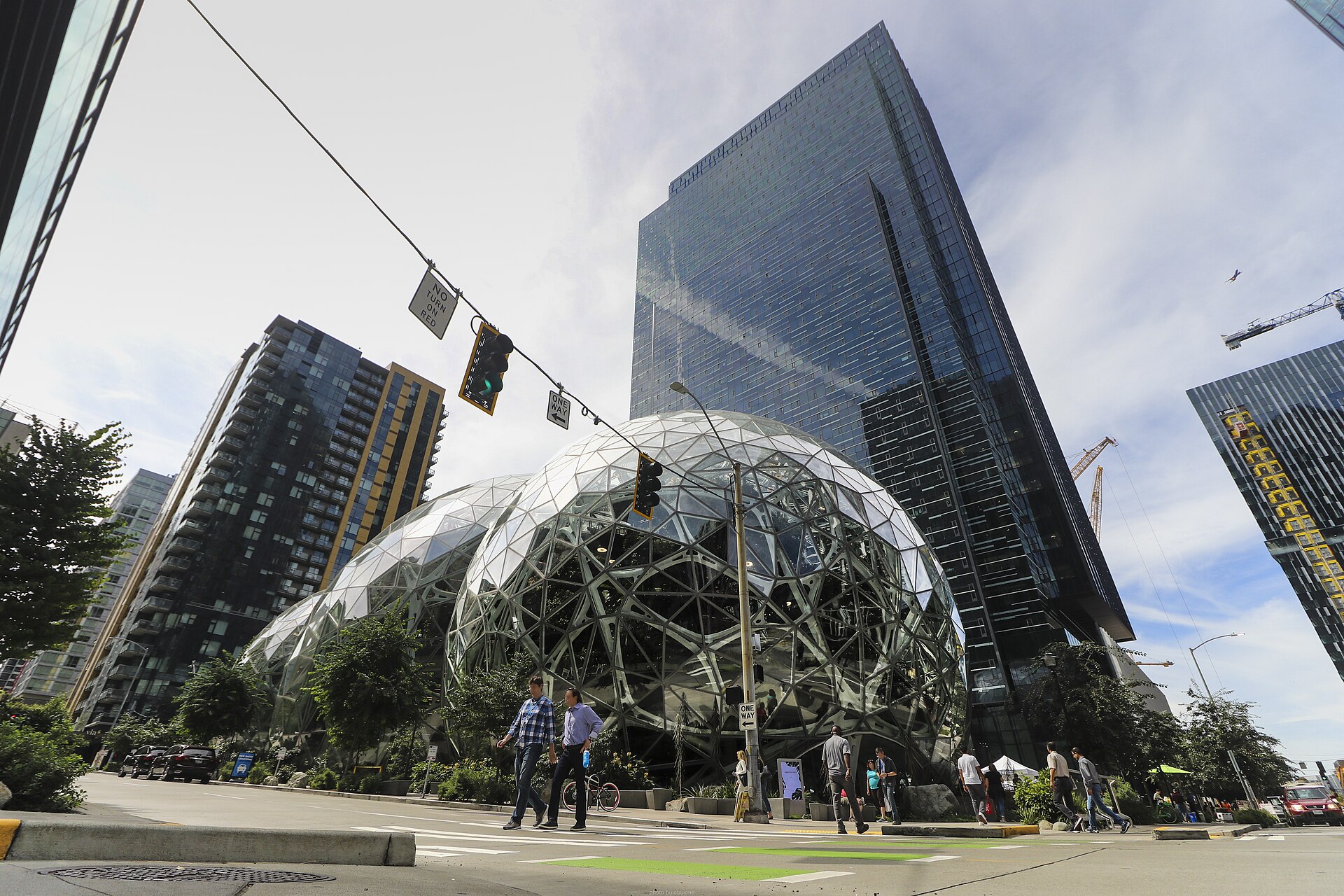
Amazon Spheres at the company’s Seattle headquarters campus. Photo: Buiobuione / Wikimedia Commons, CC BY-SA 4.0. Resized for web. Source file.
What is Meta Muse, and why did it grow so quickly?
Muse is Meta’s attempt to turn the AI-agent concept into a mass-market consumer product. Instead of opening a chatbot and asking for instructions, users can give Muse a goal and let it perform work in a cloud-based browser environment.
Meta says Muse can connect to email, calendar, payments, dining and shopping services. It is available on iOS, Android, muse.ai and through WhatsApp in the United States, with AI-glasses support planned. Meta’s launch post says Muse is free for common use, with paid plans for people who need more capacity.
The product caught on quickly. WIRED reported, citing Sensor Tower, that Muse passed 900,000 downloads in its first week. GeekWire also noted that it reached the No. 1 free-app position in Apple’s U.S. App Store a week after launch.
That speed helps explain why Amazon’s block matters. A niche experimental bot is easy for a retailer to ignore. A mainstream consumer agent embedded across Meta’s apps could become a new layer between millions of shoppers and the websites they use.
That is the commercial promise of agentic AI: users spend less time navigating websites themselves. It is also the commercial threat. If the agent chooses which products to surface, which comparisons to show and which pages to visit, the website can lose control of the customer journey.
Meta’s security case: secure VM, hidden credentials and user approval
Meta anticipated that a personal agent would raise difficult security questions, so its launch materials spend substantial space describing how Muse is isolated and monitored.
According to Meta, every Muse runs inside a dedicated cloud computer called Muse Secure VM. The user’s connected-service data and credentials are stored there. A separate monitoring agent called Sentinel must approve actions Muse sends to the internet, and Meta says the system asks the user for permission when an action is sensitive.
Meta also states that Muse has no visibility into passwords or payment methods. Credentials go into secure storage so the agent can use them without reading them directly. For purchases, Meta says Muse can use Link by Stripe, including a one-time-use card mechanism that hides a user’s real card details from merchants.
The company says users choose which apps Muse connects to and how much access it receives. For email, for example, Meta says a user can separately decide whether Muse may read messages or send mail on the user’s behalf. Users can disconnect a service and can opt out of having their Muse interactions used to train Meta’s AI models.
Those controls address one class of risk: whether Meta’s agent exposes secrets inside its own system. Amazon is raising a different question: whether the external website has knowingly agreed to let that agent act inside customer accounts.

Meta CEO Mark Zuckerberg in 2025. Photo: Jeff Sainlar / Meta via Wikimedia Commons, CC BY-SA 4.0. Resized for web. Source file.
The privacy concern is bigger than Amazon
Amazon’s action comes as Muse is already facing scrutiny over how much personal information users are encouraged to connect to an AI agent.
WIRED’s testing described Muse repeatedly encouraging connections to sensitive sources such as email and financial accounts. The publication also raised concerns about default data-use choices and the broader amount of personal context a useful agent may accumulate over time.
The Verge separately cited reports that Muse could see message content even when the expected permission was not enabled. That allegation should be treated as a reported concern rather than an established platform-wide behavior; Meta’s official documentation says users control whether Muse can read or send email and can change access at any time.
The deeper issue is architectural. A normal chatbot can be useful with only the text you deliberately type. A personal agent becomes more useful as it gains access to calendars, inboxes, purchases, saved content, contacts, account history and payment workflows. That means convenience and exposure rise together.
For an agent to find a cheaper insurance policy, it may need policy documents and personal details. To organize travel, it may need email, calendar and payment access. To shop intelligently, it may need your order history, address, preferences and login state. No security design can make those data flows irrelevant; it can only control how they are stored, accessed and audited.
This is why agent privacy is not equivalent to chatbot privacy. The risk surface includes every connected service, every browser session and every delegated action.
Why Amazon cares about more than security
Amazon’s public argument centers on security, transparency and consent, but the commercial stakes are also substantial.
An AI shopping agent can compare products across multiple retailers, bypass sponsored listings, reduce the time users spend on product pages and decide which information matters. That threatens the economics of a marketplace built around search results, recommendations, ads and on-site discovery.
GeekWire reported that Amazon generated more than $68 billion in advertising revenue last year. The more shopping decisions move into third-party AI interfaces, the less direct control Amazon has over what shoppers see before they buy.
Amazon is not rejecting agentic shopping as a concept. It has its own AI shopping tools, including Alexa for Shopping and Buy for Me. GeekWire notes that Amazon says Buy for Me identifies itself when visiting outside retailers and gives brands a way to opt out.
That distinction points toward the likely next phase of the web: websites may demand that AI agents identify themselves, use approved interfaces and follow explicit participation rules. The conflict is therefore not whether agents will shop. It is who sets the rules when they do.

Amazon headquarters building in Seattle. Photo: Adbar / Wikimedia Commons, CC BY-SA 3.0. Resized for web. Source file.
What this means for the agentic-commerce race
The Amazon–Muse standoff is one of the clearest signs that AI agents are moving from demonstration to infrastructure.
When an agent only summarizes a webpage, the website remains the primary interface. When an agent logs in, changes a reservation, adds items to a basket or checks out, the agent becomes the interface. That shift creates unresolved technical and business questions:
- Identity: Should every agent disclose that it is automated?
- Authorization: Is user consent enough, or does the website also need to opt in?
- Credentials: Who is responsible if an agent mishandles account access?
- Liability: Who pays when an agent orders the wrong item or misses a cancellation window?
- Advertising: What happens to sponsored listings when an agent filters the marketplace for the user?
- Competition: Can a dominant platform block rival agents while promoting its own?
These are not hypothetical questions anymore. Meta, Amazon, OpenAI, Google and other companies are all building systems that can act rather than merely answer.
Digital Pulse Brief has already covered the same underlying shift in our GPT-6 Astra computer-using agent explainer. The Amazon–Muse dispute shows the next constraint: an AI can be technically capable of completing a task while still being blocked by the service it needs to use.
If you use Muse or another AI agent, what should you do?
The Amazon block does not mean every AI-agent connection is unsafe, but it is a reminder that delegating real accounts deserves more caution than chatting with an AI model.
| Before connecting an agent | Why it matters |
|---|---|
| Use the minimum permissions needed | Reading email does not automatically need permission to send it. |
| Review connected services | Old connections can remain useful to an agent long after you stop using a workflow. |
| Keep purchase approval enabled | A final human confirmation reduces accidental or misunderstood transactions. |
| Inspect activity/audit logs | You need to know what the agent actually opened, changed or submitted. |
| Avoid unnecessary sensitive uploads | Do not provide passports, banking documents or identity data unless the task genuinely requires them. |
| Check the target service’s rules | A technically working automation can still violate a site’s terms or be blocked without warning. |
The same principle applies to enterprise agents. Our earlier AI Agent Data Breach explainer looks at what happens when delegated systems cross data boundaries. The more authority an agent has, the more important permission design, auditability and separation of duties become.
Meta Muse and Amazon FAQ
Why did Amazon block Meta Muse?
Amazon says Muse was accessing Amazon.com without authorization, did not identify itself as an AI agent while browsing, and raised privacy and security concerns around customer-account access. Amazon’s block message cites its Conditions of Use.
Can Meta Muse still shop on Amazon?
As of the September 21 reports, Amazon was preventing Muse from shopping on the site on behalf of users. The situation could change if Amazon and Meta reach an agreement or Meta changes how the agent interacts with Amazon.
Can Muse see my password or credit-card number?
Meta says no. Its official documentation says passwords and payment methods are stored securely and can be used by the system without being visible to Muse itself. That is Meta’s stated architecture; users should still review permissions and account activity for any connected service.
Does Muse read private messages?
Meta says users choose which services Muse connects to and how much access it receives. The Verge has cited reports that message contents were accessible in cases where the expected permission was not enabled. That is a reported concern, not a conclusion that every Muse account behaves that way.
What is agentic commerce?
Agentic commerce is shopping where an AI agent performs steps for the user—searching, comparing, filling forms, managing carts or completing purchases—with different levels of human approval.
Is Amazon against AI shopping agents?
No. Amazon has its own agentic shopping tools. Its dispute with Muse is about authorization, transparency, platform control and the rules third-party agents should follow when accessing Amazon.
Bottom line
Amazon blocking Meta Muse is a turning point because it exposes the gap between what an AI agent can do and what the internet will permit it to do.
Meta is building toward agents that browse and transact across the open web on behalf of users. Amazon is signaling that user authorization alone may not be enough when a third-party system enters a commercial platform, handles account data and changes the customer relationship.
The most important outcome may be a new layer of web infrastructure: explicit agent identity, merchant opt-in or opt-out controls, standardized permissions, safer credential delegation and transaction-specific audit trails. Without that layer, every major AI agent could end up negotiating access site by site.
For users, the lesson is simpler. Autonomous convenience requires broader access. Broader access requires stronger scrutiny. Before handing an agent your inbox, bank connection, shopping account or identity documents, understand exactly what it can read, what it can change and when it must ask you first.
Sources and image-use record
- The Verge — Amazon blocks Meta’s Muse AI agent (September 21, 2026)
- GeekWire — Amazon blocks Meta’s Muse AI assistant (September 20, 2026)
- Meta Newsroom — Introducing Muse (September 8, 2026)
- WIRED — hands-on privacy analysis of Muse (September 20, 2026)
- Wikimedia Commons — Meta Headquarters Sign, Nokia621, CC BY-SA 4.0
- Wikimedia Commons — Amazon Spheres, Buiobuione, CC BY-SA 4.0
- Wikimedia Commons — Mark Zuckerberg (2025), Jeff Sainlar/Meta, CC BY-SA 4.0
- Wikimedia Commons — Amazon headquarters building, Adbar, CC BY-SA 3.0
Image record: All four article images are real photographs of Meta or Amazon people/locations relevant to the story. They are locally hosted by Digital Pulse Brief from Wikimedia Commons under the licenses listed above, with attribution, source links and resize disclosure. No AI-generated article image is used.
DIGITAL PULSE BRIEF NEWSLETTER
Get clear AI, technology and business insights in your inbox
Breaking developments, practical explainers, reviews and useful tech intelligence — without the noise.
WHAT TO READ NEXT
New Microsoft Copilot 2026: Home, Code and Autopilot Turn Copilot Into a Work Operating Layer  Claude Opus 5.5 Explained: Pricing, Coding Gains, Safety Changes and Who Should Use It
  Gemini 3.8 Live Avatar Is Now GA: 97 Languages, Custom Avatars, SynthID and Enterprise Use
MORE FROM DIGITAL PULSE BRIEF