

Meta Connect 2026 start time and how to watch
Meta’s official Connect page describes the show as a two-day virtual livestream on September 23 and 24, centered on AI technologies, AI glasses and VR. It confirms a Zuckerberg keynote on day one and a developer state of the union plus technical sessions on day two.
The public event page does not expose the clock time in the text version we checked, but multiple event listings that cite Meta’s agenda place Zuckerberg’s keynote at 4:00 p.m. Pacific on September 23. That converts to 7:00 p.m. Eastern and 23:00 UTC.
| Region | Keynote time |
|---|---|
| US Pacific | 4:00 p.m., Sep. 23 |
| US Eastern | 7:00 p.m., Sep. 23 |
| UTC | 23:00, Sep. 23 |
| London | 12:00 a.m., Sep. 24 |
| Pakistan | 4:00 a.m., Sep. 24 |
| India | 4:30 a.m., Sep. 24 |
| Japan | 8:00 a.m., Sep. 24 |
| Sydney | 9:00 a.m., Sep. 24 |
For the stream itself, use Meta’s official Connect page or the Meta for Developers hub. Registration is free and avoids relying on third-party restreams or unofficial countdowns.
What Meta has actually confirmed before the keynote
The strongest way to cover a launch event before it happens is to separate the known product roadmap from leaks. Meta has confirmed the event themes, and its recent product releases make the likely priorities unusually clear.
AI glasses are a headline category
Meta explicitly lists AI glasses alongside AI technologies and VR in its Connect description. That matters because the company spent 2026 expanding its glasses lineup and pushing more intelligence into the form factor. In June, Meta and EssilorLuxottica launched a new Meta Glasses line starting at $299, with Meta AI powered by Muse Spark in the US and Canada and wider rollout planned over time.
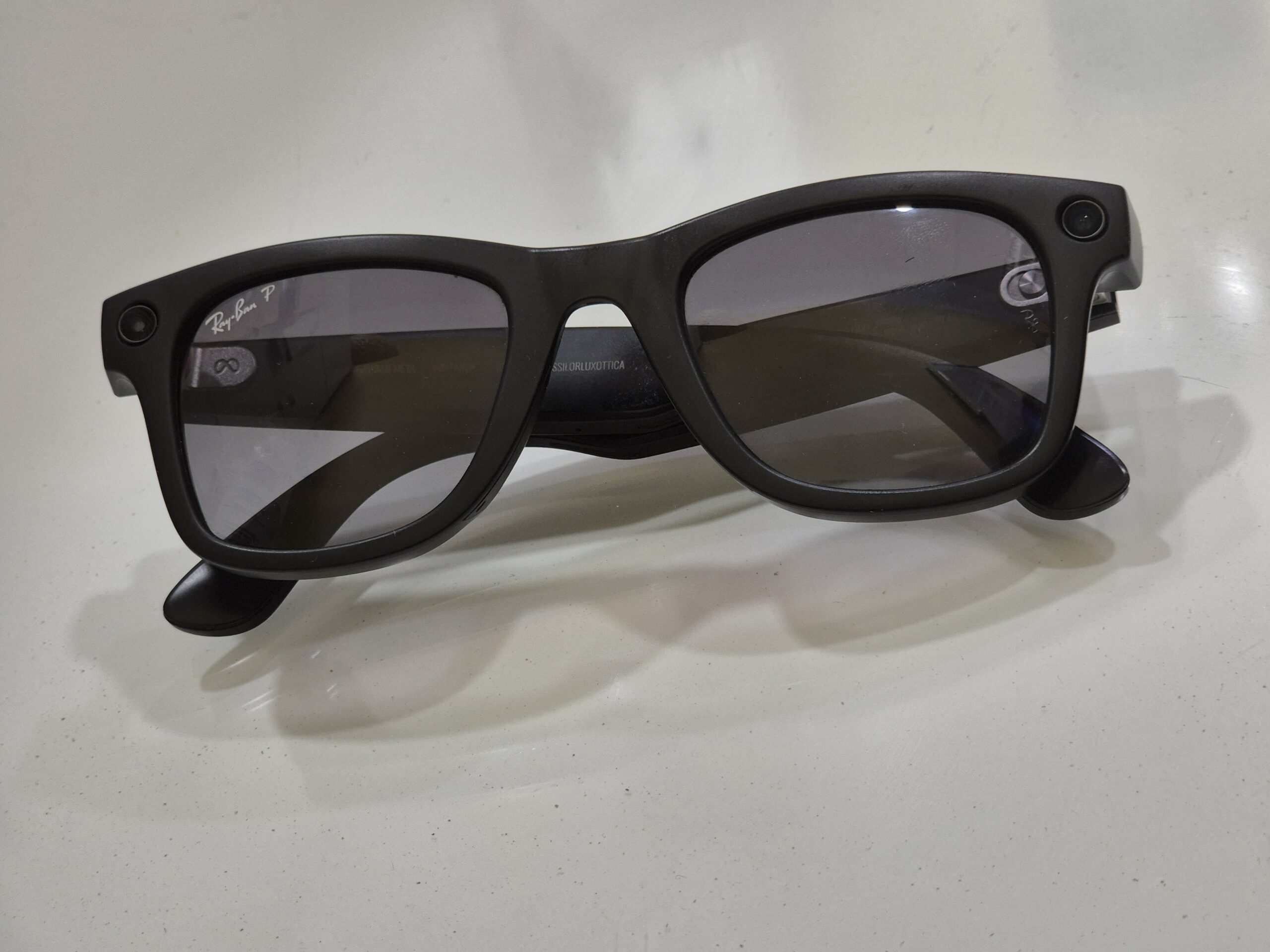
Meta also continues to sell Ray-Ban Meta, Oakley Meta and the display-equipped Meta Ray-Ban Display. Its developer site now promotes wearable APIs, camera/audio/display access and a web-app starter kit for AI glasses. Even if no entirely new frame appears, Connect has a substantial glasses-software story ready to tell.
Meta Muse is now part of the platform story
Muse is no longer a small experimental assistant. Meta introduced Muse as a personal AI agent earlier in September, and the company’s AI archive now positions it alongside Muse Spark and the broader Meta AI stack. Digital Pulse Brief recently examined the Amazon–Muse shopping dispute and the privacy questions around agentic commerce.
That makes Connect a natural place for Meta to explain where Muse goes next: deeper app integration, developer hooks, international availability or tighter links to glasses. Those specific announcements are not confirmed yet, but the strategic fit is clear.
Meta One gives AI a subscription layer
On September 15, Meta introduced Meta One, a subscription system spanning Instagram, Facebook, WhatsApp and Meta AI. Meta says core app experiences remain free, while subscriptions provide expanded AI usage and premium creator/business features. Current individual pricing starts at $2.99 per month for a single product, with Core at $7.99 and Premium at $19.99; business and creator tiers start higher.
The timing matters. Connect now arrives with hardware, an AI agent and a paid AI bundle already in market. The interesting question is whether Meta turns those separate pieces into a more coherent ecosystem.
What to expect at Meta Connect 2026
The event is likely to be judged on whether Meta can show a convincing bridge between its three biggest bets: AI agents, wearable computing and immersive platforms. The areas below are ordered by how directly current evidence points toward them, not by hype.
AI-glasses software and developer access: high confidence
This is the safest expectation. Meta’s own developer pages are already highlighting AI-glasses development, including its Wearables Device Access Toolkit and support for web experiences on display-equipped glasses. Connect’s developer day specifically promises agentic workflows, SDK updates and a roadmap for builders. Expect concrete APIs, demos and distribution details to matter as much as any new frame design.
Muse and Meta AI integration: high probability, not yet confirmed
Muse launched only weeks before Connect, while Meta One arrived eight days before the keynote. That creates obvious stage material. A sensible expectation is more detail on how Muse, Meta AI and Meta’s apps work together. However, features such as new countries, new pricing or a new Muse model should be treated as unknown until Zuckerberg or Meta publishes them.
Camera-free smart glasses: credible report, still unconfirmed
Reuters reported on September 22 that Meta is expected to unveil camera-free smart glasses as early as Connect, amid growing privacy concerns around wearable cameras. TechRadar and The Verge have also described a reported camera-free project. Until Meta announces it, this remains a report rather than a product fact.
The idea is strategically interesting: removing a camera could make glasses thinner and reduce one category of bystander concern, but it would also remove the visual context that makes multimodal AI useful. If such a product appears, the key question will be what Meta thinks people value more—ambient visual intelligence or a less intrusive form factor.
Project Phoenix mixed-reality hardware: possible preview, not confirmed
Reports have linked Meta to a mixed-reality device codenamed Project Phoenix, potentially targeting a 2027 launch. A Connect teaser would make sense, but Meta’s public event page does not promise a new headset. Treat any Phoenix specifications, price or launch window as rumor until Meta confirms them.
VR and Meta Horizon: confirmed topic, uncertain hardware
VR is explicitly one of Connect’s themes, while the Horizon developer site promises SDK updates and a roadmap. That supports expectations for software, developer tooling and platform updates. It does not automatically mean a new Quest headset will launch.
Digital Pulse Brief rule for this live event: “expected,” “reported” and “confirmed” are not interchangeable. We will not present leaked model names, prices or release dates as facts before Meta publishes them.

Confirmed vs reported: the Meta Connect rumor check
| Topic | Status before keynote | What we know |
|---|---|---|
| Sep. 23–24 livestream | Confirmed | Meta’s official Connect page lists a two-day virtual livestream. |
| Zuckerberg keynote | Confirmed | Meta says Zuckerberg leads the September 23 keynote. |
| AI glasses, AI technologies and VR | Confirmed themes | All three are named by Meta. |
| Developer state of the union | Confirmed | Scheduled for September 24 with technical sessions. |
| Camera-free smart glasses | Reported | Reuters and other outlets say an announcement may come at Connect; Meta has not confirmed it. |
| Project Phoenix headset | Rumored/reported | A possible preview has been reported; no official product announcement yet. |
| Muse expansion | Reasonable expectation | Muse is newly launched, but specific Connect updates remain unconfirmed. |
| New Quest hardware | Unconfirmed | VR is on the agenda, but Meta has not promised a new headset. |
Privacy may be the most important smart-glasses announcement
Meta’s wearable strategy is growing at the same time as scrutiny around always-available cameras and microphones. Reuters reported on September 22 that AI wearables are facing mounting privacy concerns, including lawsuits and venue restrictions around Meta’s Ray-Ban glasses. The report describes allegations that some uploaded recordings were reviewed by human annotators; Meta said it disagrees with the allegations and will contest them.
Meta’s own July privacy explainer says its AI glasses use a white capture LED when photos or video are recorded for the gallery, that the LED has no off switch, and that covering or disabling it automatically disables the camera. Those safeguards are important, but Connect gives Meta a larger question to answer: how will wearable AI earn trust when the most useful features depend on seeing and hearing the world around the user?
A camera-free design, if it is real, would address only part of that problem. Microphones, cloud processing, data retention, bystander awareness and human-review policies also matter. For buyers, privacy controls deserve the same attention as battery life and AI features.
Why the Meta One launch changes the Connect story
Meta One gives Meta a direct path from a free social-app audience to paid AI usage. That could make Connect more commercially important than a traditional headset event. A user might encounter Meta AI in WhatsApp, pay for more creative capacity through Meta One, delegate work to Muse, and eventually interact with the same ecosystem through glasses.
That is the real platform question for 2026: can Meta make those surfaces feel like one product family rather than a collection of experiments? Watch for shared identity, memory, permissions, billing and cross-device continuity. Those details matter more for long-term adoption than a single flashy stage demo.
Should you buy Meta smart glasses before the keynote?
If you are planning to buy today and can wait one day, wait. The keynote is close enough that even a software-only announcement could change the value of current models, while a new frame, wider Meta Ray-Ban Display rollout or pricing change could affect your decision.
That does not mean current glasses are suddenly obsolete. Meta’s existing lineup already spans displayless Ray-Ban/Oakley models and the higher-end Meta Ray-Ban Display. But buying immediately before a major product event adds avoidable uncertainty.
- Wait if: you care about the newest hardware, international availability, display features or privacy changes.
- Current models may still make sense if: you have a specific need today and the current price/features already meet it.
- Do not buy based on rumor alone: leaked names and speculative pricing can change before launch.
What developers should watch on day two
The September 24 developer program may matter more than the keynote for builders. Meta for Developers says the event will go deeper on agentic development workflows, SDK updates and the roadmap behind its platforms. The wearables site already promotes access to camera, audio and display capabilities for AI glasses and tools for standalone web experiences.
That creates several practical questions: Which hardware APIs move out of preview? How much on-device processing is available? What permissions are required for camera and microphone access? Can third-party apps invoke Muse or Meta AI capabilities? What are the distribution and monetization rules? Answers to those questions determine whether “AI glasses platform” is a real developer opportunity or mostly a first-party Meta experience.
Meta Connect 2026 FAQ
When is Meta Connect 2026?
Meta Connect runs September 23–24, 2026 as a virtual livestream. Zuckerberg’s keynote is on September 23, with the developer state of the union and technical sessions on September 24.
What time is the Meta Connect 2026 keynote?
Event listings citing Meta’s agenda place the keynote at 4:00 p.m. Pacific on September 23, equivalent to 7:00 p.m. Eastern and 23:00 UTC. Meta’s current public Connect page confirms the date and session but does not expose the clock time in the text version we checked.
How can I watch Meta Connect 2026?
Use Meta’s official Connect page. Meta for Developers also links to registration and the livestream.
Will Meta launch new smart glasses?
AI glasses are a confirmed event theme, but specific new hardware has not been officially announced before the keynote. Camera-free glasses have been reported by Reuters and other outlets, while other devices remain rumor-level until Meta confirms them.
Is a new Meta Quest headset confirmed?
No. VR is a confirmed topic, but Meta’s public event page does not promise a new Quest headset.
Will Meta Muse be part of Connect?
Meta has not published a specific Muse session in the public event summary we checked. Given Muse’s September launch and Meta’s wider AI focus, an update is plausible, but it should not be treated as confirmed.
Methodology and update policy
This pre-keynote briefing was researched on September 23, 2026 using Meta’s official Connect page, Meta for Developers, Meta Newsroom product pages, Reuters reporting and clearly labeled secondary reporting for unannounced hardware. We separate first-party confirmations from reports and rumors and do not claim hands-on access to unreleased devices.
Because this is a live-event guide, details can change once the keynote begins. Readers should treat Meta’s official event page and later product announcements as the final authority on shipping dates, prices and regional availability.
Primary sources and further reading
- Meta — Connect 2026 official event page
- Meta for Developers — Connect livestream and developer program
- Meta — Meta Glasses and Muse Spark integration
- Meta — AI glasses privacy and capture LED FAQ
- Meta — Meta One subscriptions
- Reuters — AI wearables, privacy concerns and camera-free glasses reporting
Image-use record: article photography comes from Wikimedia Commons files with CC BY-SA 3.0 or CC BY-SA 4.0 licenses, with attribution and source links preserved. No AI-generated event imagery or fabricated product screenshots are used.
MORE FROM DIGITAL PULSE BRIEF