
Reviews · Updated September 16, 2026
Claude Pro Review 2026: Is It Worth $20/Month?
Claude Pro review 2026: Anthropic’s $20/month individual plan now bundles higher usage, unlimited Projects, Research, Google Workspace connections, extended thinking, Claude Code and Claude Cowork. The real question is not whether Claude is capable—it is whether Pro’s included usage and workflow tools are worth paying for compared with Free or a higher Max tier.
This independent review focuses on current pricing, included features, usage limits, model access and practical value for writers, developers, researchers and knowledge workers worldwide.
How this review was prepared
Digital Pulse Brief reviewed Anthropic’s current pricing pages, help-center documentation, model announcements and product pages for Claude Code, Cowork, Projects and Research. This article is not sponsored, contains no affiliate offer, and does not pretend that vendor benchmarks are the same as independent lab testing. Features, regional availability and prices can change, so official links are provided where the detail matters.
Claude Pro review 2026: the quick answer
Claude Pro is most compelling for people who use Claude as a work tool rather than an occasional chatbot. The $20 monthly plan makes the strongest case when you regularly analyze documents, organize ongoing work in Projects, use Research, code with Claude Code, or hand off lighter multi-step jobs to Cowork.
Free remains a sensible choice for occasional questions, writing help and web search. Pro becomes less comfortable for very heavy agentic workflows because it is not unlimited: session and weekly usage limits still apply, and demanding tools can consume the allowance faster. Also, Claude Fable 5 and 5.1 are accessible on Pro only through paid usage credits rather than being included in the base Pro allowance.
What works well
- Higher included usage than Free
- Claude Code included in the same subscription
- Claude Cowork included for agentic knowledge work
- Unlimited Projects for persistent work context
- Research, extended thinking and Google Workspace connections
- $200 annual option lowers the effective monthly price
What to watch
- Usage is still limited by session and weekly allowances
- Research, tools and agents can consume limits faster
- Fable 5/5.1 require usage credits on Pro
- Extra usage credits add variable cost beyond the subscription
- Some features and integrations may vary by region or platform
Claude Pro price in 2026
Anthropic currently lists Claude Pro at $20 per month when billed monthly, or $200 per year, which works out to about $17 per month before tax. The individual Max tiers are $100 per month for Max 5x and $200 per month for Max 20x. Anthropic positions Free for occasional use, Pro for regular use, and Max for much heavier workloads.
Official plan details: Claude plan comparison.
| Plan | Current price | Usage position | Best fit |
|---|---|---|---|
| Free | $0 | Limited | Occasional use |
| Pro | $20/month or $200/year | Standard paid capacity | Regular individual use |
| Max 5x | $100/month | 5× Pro capacity per session | Frequent heavy use |
| Max 20x | $200/month | 20× Pro capacity per session | Daily power users |
Prices are based on Anthropic’s published individual plans as of September 16, 2026. Taxes, regional pricing and app-store billing can differ.
What do you actually get with Claude Pro?
The paid plan is no longer just “more messages.” Claude Pro is now a bundle of productivity features that matter most when Claude is part of a recurring workflow.
- More usage: a larger included allowance than Free, though still subject to limits.
- Claude Sonnet 5: Anthropic says Sonnet 5 is the default model for Free and Pro. Paid users can also access additional models where available.
- Unlimited Projects: organize chats and files around persistent workstreams instead of repeatedly rebuilding context.
- Research: multi-step web and connected-data research with citations.
- Google Workspace connections: connect supported Gmail, Calendar and Docs workflows.
- Extended thinking: allow Claude to spend more effort on difficult reasoning tasks.
- Claude Code: use Anthropic’s coding agent from the terminal under the same subscription allowance.
- Claude Cowork: delegate multi-step knowledge-work tasks across files, tools and—in supported workflows—a built-in browser.
- Remote connectors: connect supported tools and services through Claude’s integration ecosystem.
Anthropic’s official pricing page is the best place to confirm feature availability before subscribing because the bundle continues to evolve.

Claude Pro usage limits: the part buyers should understand first
Claude Pro is not an unlimited plan. Anthropic uses usage limits that can be affected by the length and complexity of your conversations, attachments, selected model, effort level and tools such as Research or connectors. Usage across Claude’s web app, desktop app and Claude Code contributes to the same plan allowance.
Anthropic’s current help documentation shows a five-hour session window and weekly usage tracking for paid individual plans. Your account’s Usage screen is the authoritative place to see remaining capacity and reset timing. Research, large project files and agentic work can consume the allowance faster than short chat prompts.
Paid users can optionally enable usage credits to continue at pay-as-you-go rates after included limits are reached. That flexibility is useful, but it also means a $20 subscription can cost more in a heavy month.
Claude Code may be the strongest reason developers choose Pro
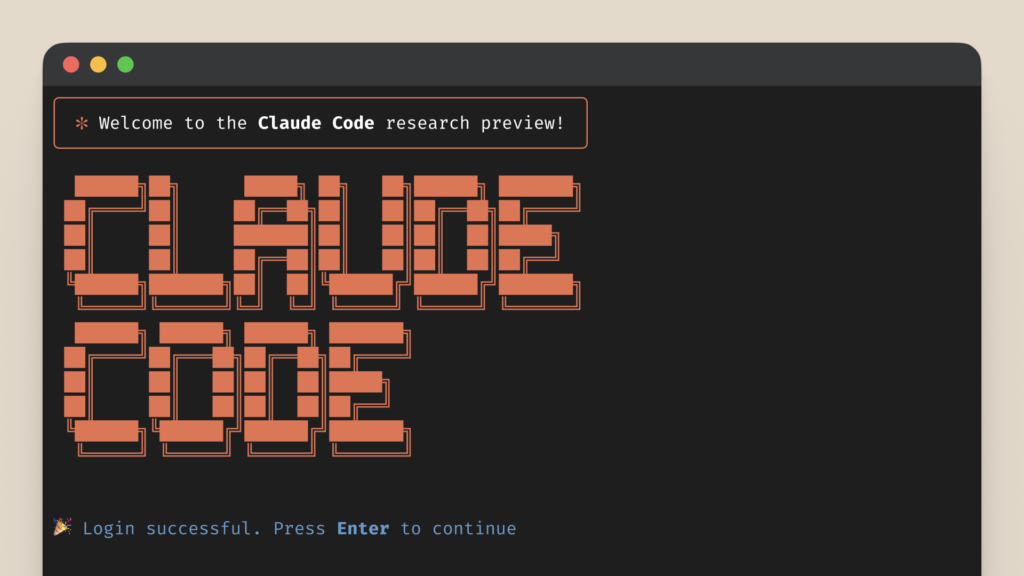
Claude Code is included with Pro and Max subscriptions, so developers can work with Claude in the terminal without maintaining a separate consumer subscription for chat and another account solely for the coding interface. Claude Code can inspect a codebase, edit files, run commands and tests, and work through multi-step engineering tasks under user direction.
The trade-off is that Claude Code shares plan usage with the rest of Claude. A long debugging session, large repository or tool-heavy workflow can burn through Pro capacity much faster than normal chat. If you code with Claude for hours every day, Max or usage credits may make more sense than repeatedly waiting for resets.
Official setup guide: Claude Code documentation.
Claude Cowork turns Pro into more than a chat subscription
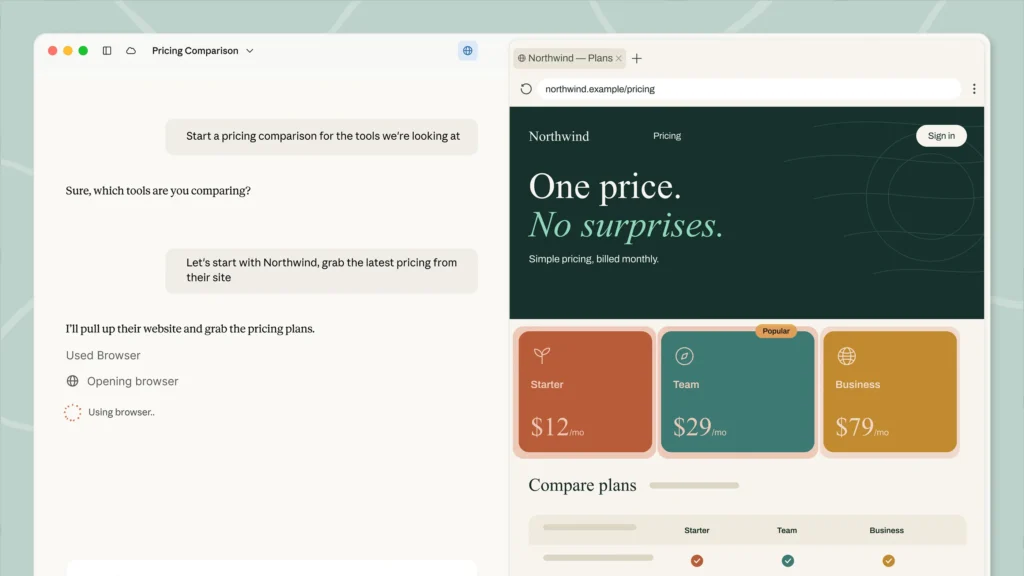
Cowork is Anthropic’s agentic workspace for knowledge work. Instead of only answering a message, it can operate across files and connected tools to complete multi-step tasks. Anthropic’s current Cowork product page also describes a built-in browser that can open websites, read pages and fill forms in supported workflows.
For a Pro subscriber, this expands the value proposition beyond writing and analysis. A marketer can hand off a research-and-reporting task; a consultant can work across documents; an operations user can organize files or build a first draft of a recurring report. But Anthropic explicitly notes that Cowork consumes limits faster than ordinary Chat, so Pro is best for shorter or moderate agentic jobs rather than nonstop automation.
That makes Cowork a useful bonus on Pro, not a reason to assume the $20 tier can replace an unlimited automation platform.
Research and Projects are the productivity features most casual reviews overlook
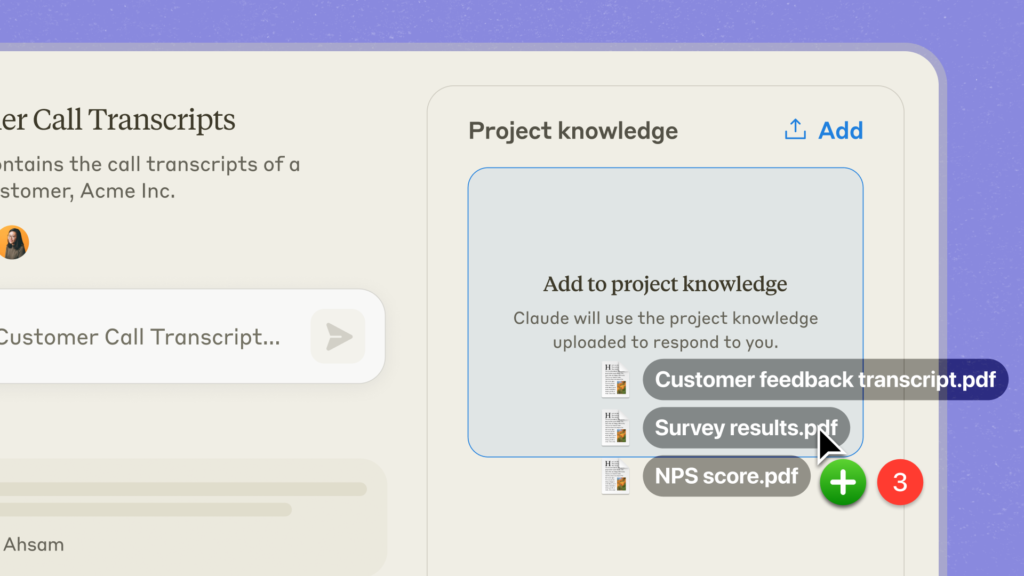
Projects matter when you have repeat work. You can organize chats and reference material around a client, product, research topic or codebase, then add project knowledge and instructions so every conversation starts with more relevant context.
Research is designed for questions that need more than one web search. Anthropic describes it as an agentic process that runs multiple searches, follows new leads and returns answers with citations. Paid Claude plans can also combine Research with connected work context such as Google Workspace where supported.
For people who repeatedly upload the same PDFs, reconstruct the same briefing or manually gather the same background information, these features can save more time than a simple increase in message count.
Official guide: Using Research on Claude.
What model performance means for a Pro buyer
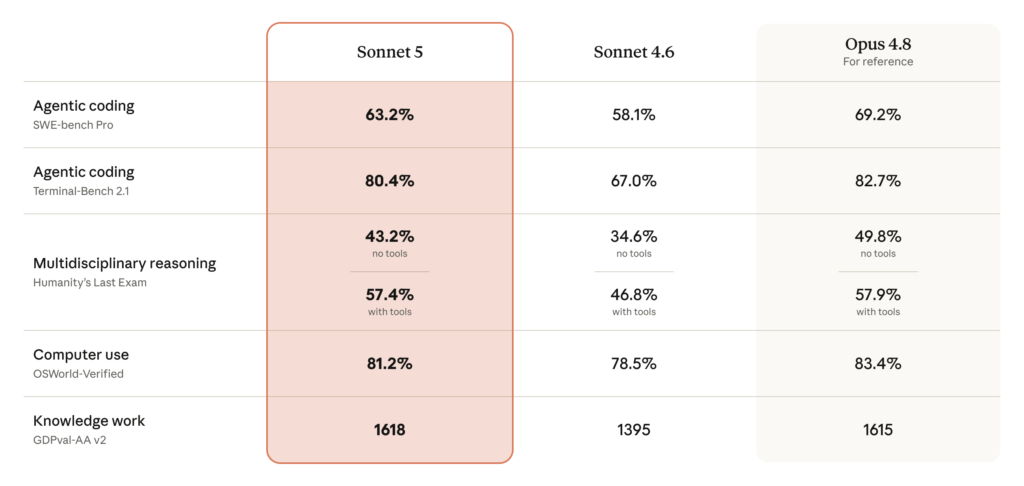
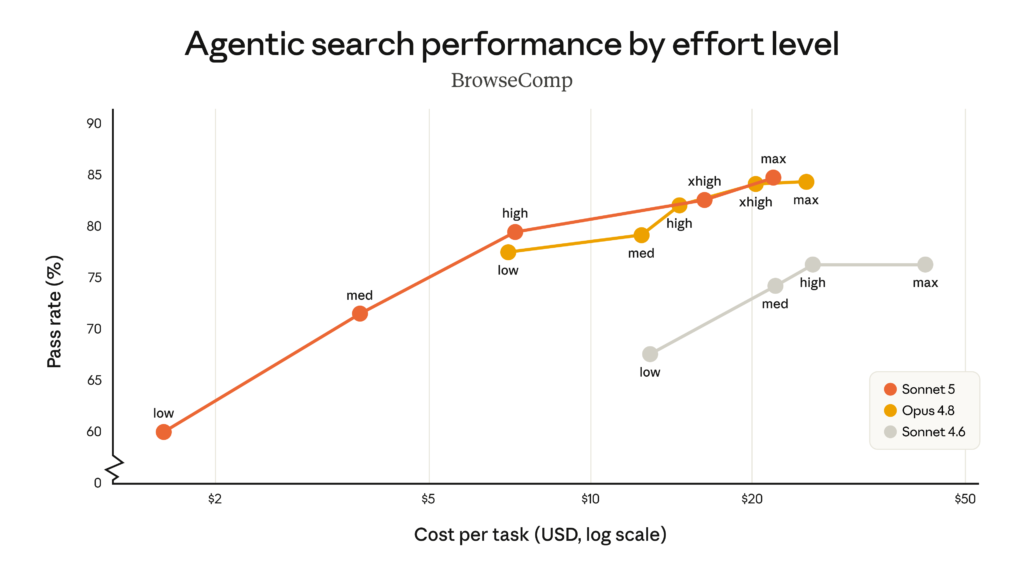
Anthropic says Claude Sonnet 5 is the default model on Free and Pro. Its published evaluations show substantial gains over Sonnet 4.6 on agentic coding, computer use and multidisciplinary reasoning. That is relevant because Pro’s everyday value depends less on having a special “Pro-only” default model and more on giving regular users a broader set of workflows and more capacity around the model.
Vendor benchmarks should be treated as evidence about the tested tasks—not as a promise that every prompt will be better. Real-world quality still depends on instructions, context, tools, model choice and the kind of work you are doing.
Anthropic’s current Sonnet 5 announcement and methodology are available here.
Who should upgrade to Claude Pro—and who should not?
Upgrade to Pro if…
- You hit Free limits often
- You work with long documents or recurring projects
- You want Claude Code in your daily development workflow
- You use Research or connected work data regularly
- You want Cowork for moderate agentic tasks
Stay on Free if…
- You only ask occasional questions
- Basic writing and web search cover your needs
- You rarely work with large files or Projects
- You do not need Claude Code, Research or Cowork enough to justify a subscription
Consider Max if…
- You repeatedly hit Pro session or weekly limits
- You run Claude Code or Cowork for hours a day
- You want much higher capacity with fewer interruptions
- You want Fable models included within Max’s plan limits instead of paying usage credits from the start on Pro
Important detail: Fable 5 and Fable 5.1 are not included in base Pro usage
This is easy to misunderstand. Anthropic’s current support documentation says Fable 5 and Fable 5.1 are available to Pro users, but they run on pay-as-you-go usage credits from the start rather than consuming the normal included Pro allowance. On Max, Fable usage can be included within plan limits up to Anthropic’s stated weekly share.
So “available on Pro” does not mean “included in the $20 subscription.” If Fable is central to your work, calculate the cost of credits versus moving to a Max tier. See Anthropic’s current Fable plan guidance.
Claude Pro vs ChatGPT Plus: compare workflows, not brand names
These subscriptions overlap, but the smarter comparison is to list the workflows you actually use and price those—not to subscribe because one model wins a single benchmark. Claude Pro’s strongest current differentiators are its integrated Projects, Research, Claude Code and Cowork workflows. If you are choosing between major AI subscriptions, read our separate ChatGPT Plus Review 2026 and compare the current features that matter to your work.
You may also want our explainer on GPT-6 Astra features, pricing and availability for additional context on the broader AI market.
Claude Pro review 2026: frequently asked questions
Anthropic currently lists Pro at $20 per month or $200 per year, which is roughly $17 per month when paid annually before tax.
No. Pro has usage limits. Anthropic tracks session and weekly usage, and consumption varies with conversation length, files, model choice, effort level and tools.
Yes. Anthropic states that Pro and Max subscribers can use Claude Code with the same subscription account, subject to their plan usage limits.
Yes. Cowork is included on Pro, but Anthropic notes that agentic Cowork tasks consume usage faster than ordinary chat.
Fable 5.1 is accessible to Pro users, but Anthropic currently says it uses pay-as-you-go usage credits from the start rather than the normal included Pro allowance.
For occasional questions, writing help and light web search, Free can be enough. Pro becomes more attractive when you regularly hit limits or rely on paid productivity features such as Research, Projects, Claude Code or Cowork.
Final verdict: is Claude Pro worth it in 2026?
For regular professional use, Claude Pro has a clear value proposition at $20/month. Its strongest advantage is the bundle: more usage, unlimited Projects, Research, extended thinking, Google Workspace connections, Claude Code and Cowork in one individual subscription.
It is less compelling if you only use Claude a few times a week, and heavy agent users should budget for either Max or usage credits. The key is to buy Pro for the workflows it unlocks—not simply because it is the paid tier.
If one or more of Projects, Research, Claude Code or Cowork saves you meaningful time every week, Pro can justify its price. If you mostly ask short questions and rarely hit Free limits, keep the $20 and upgrade only when your usage proves you need it.
Sources checked: Anthropic pricing, Claude Help Center, Claude Sonnet 5 documentation, Claude Code documentation, Claude Cowork product pages and Claude Research help documentation. Last reviewed September 16, 2026.
DIGITAL PULSE BRIEF NEWSLETTER
Get clear AI, technology and business insights in your inbox
Breaking developments, practical explainers, reviews and useful tech intelligence — without the noise.
WHAT TO READ NEXT
iPhone 18 Pro Review: Apple’s Camera-First Flagship Is a Serious Upgrade  Samsung Galaxy Z Fold 8 Review: The Passport Foldable Finally Makes Sense
  Canva Pro Review 2026: Is $180/Year Worth It?
MORE FROM DIGITAL PULSE BRIEF