FIRST IMPRESSIONS • Updated September 16, 2026
iPhone Duo First Impressions: 10 Things Before You Preorder
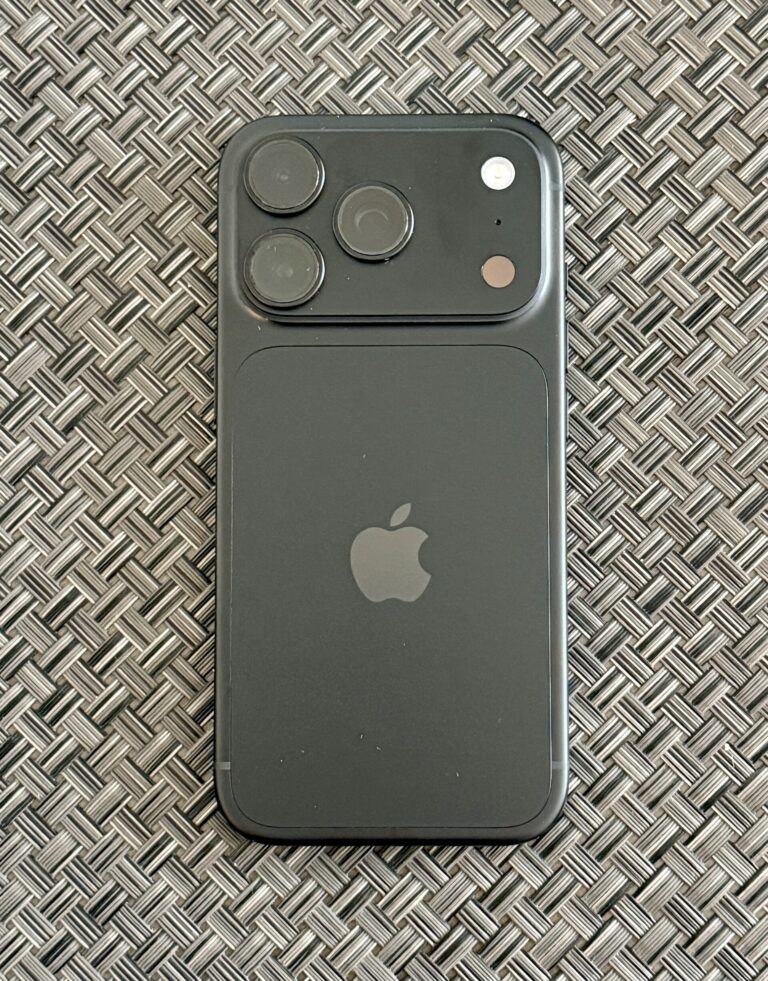
iPhone Duo first impressions point to a foldable that feels distinctly Apple: compact when closed, expansive when opened, and built around software transitions rather than novelty alone. This is not a long-term review—we have not personally daily-driven the phone. Instead, we combine Apple’s official specifications with early hands-on reporting to identify the details that matter most before preorders begin.
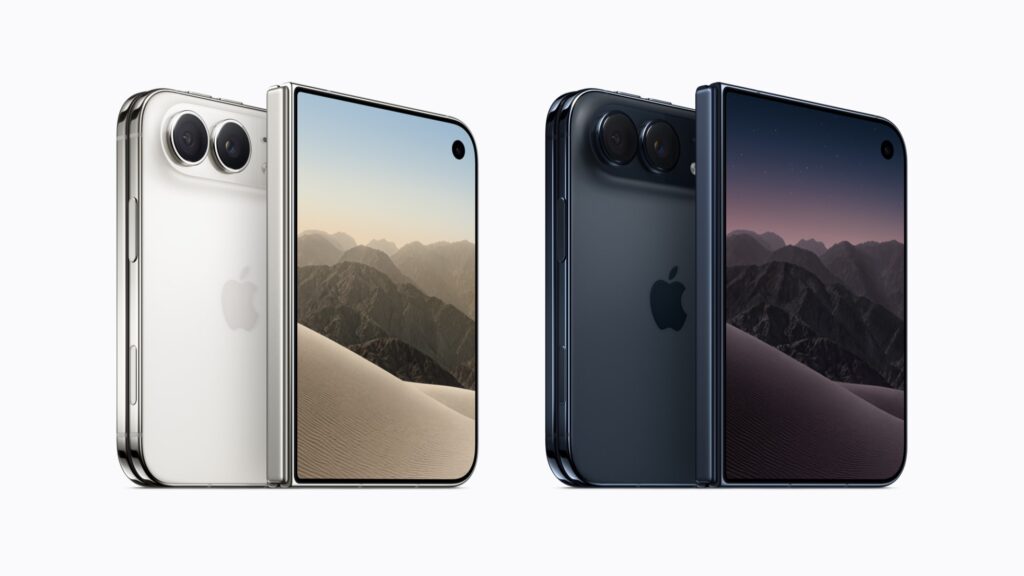
Early Take
Most impressive: the nearly crease-free matte inner display, smooth hinge, iOS 27 transitions and genuinely useful multitasking.
Biggest question: whether the $1,999 price and real-world battery life justify choosing it over a conventional Pro iPhone or a mature Android foldable.
Preorder snapshot: Apple says iPhone Duo starts at $1,999 in the U.S.; preorders open October 16, 2026, with availability beginning October 23 in more than 70 countries and regions.
On This Page
- First impressions: the short answer
- Outer display size and one-handed use
- Inner display, crease and glare
- Hinge and durability
- iOS 27 and multitasking
- Laptop and tent modes
- Cameras
- Battery life
- Touch ID, eSIM and accessories
- Price and preorder decision
- FAQ and sources
iPhone Duo First Impressions: The Short Answer
The iPhone Duo looks less like Apple copying an existing foldable and more like Apple trying to make the fold feel invisible in daily use. The most convincing part of the early story is not a single specification. It is the way the hardware and software are designed around opening, closing and using two display sizes without feeling like you are switching between two unrelated devices.
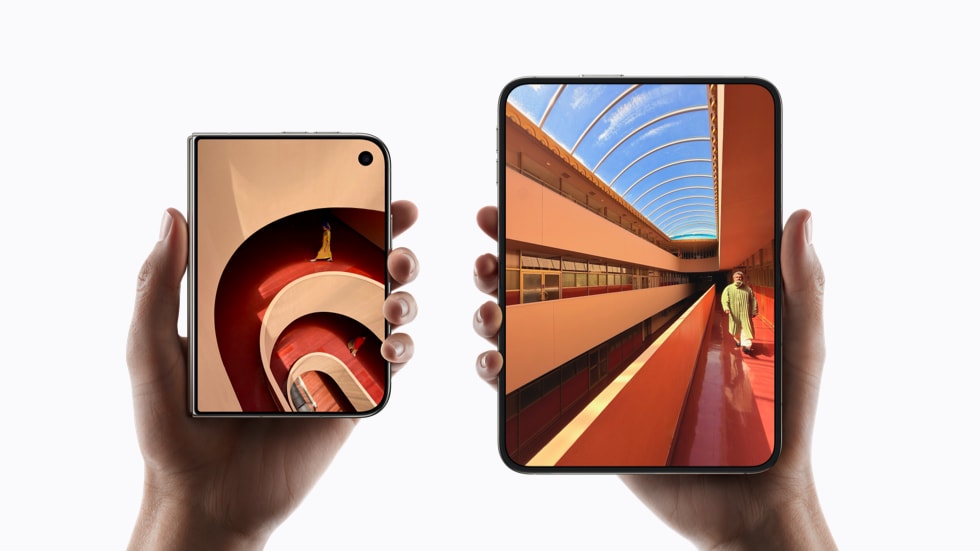
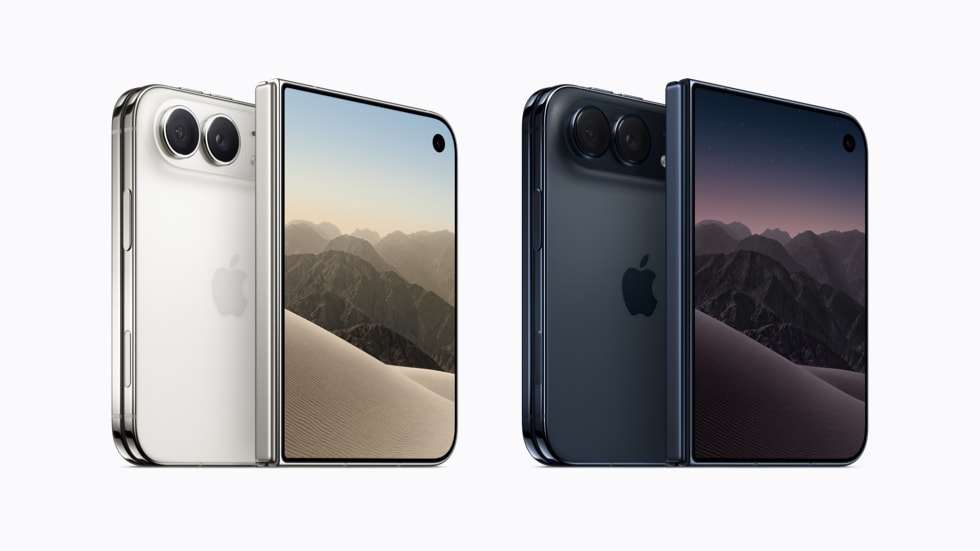
Apple’s 5.4-inch outer display is deliberately compact, while the 7.6-inch inner display is closer to a small tablet. Early hands-on reporting from The Verge described the hinge as smooth, the matte inner display as effective against glare, and the crease as difficult to feel. Apple says both screens support ProMotion, Always On and up to 3000 nits of outdoor peak brightness.
But first impressions also reveal the trade-off clearly: this is a $1,999 first-generation product. The Duo gives you a new form factor, Split View multitasking, dual-display camera tricks and a much larger canvas, but buyers are also accepting a smaller outer screen, a new durability equation and the uncertainty that comes with a new category. For a complete specification breakdown, see our iPhone Duo price, release date and specs guide.
1. The 5.4-inch Outer Display Is Smaller Than You Expect
The first thing that changes the way you think about iPhone Duo is the outer screen. At 5.4 inches, it is small by current flagship-phone standards. Apple says it still delivers about 90% of the screen area of the 6.3-inch iPhone 18 Pro because of its shape, but the experience is intentionally compact.
That could be a strength. A foldable works best when you do not have to unfold it for every notification, message or quick search. The outer display is designed for one-handed tasks, while the inner screen becomes the place for reading, multitasking, video, editing and more involved work.
The risk is that users accustomed to large phones may initially find the closed Duo cramped. If you spend most of your day typing long messages or browsing on the cover screen, this is one detail worth testing in person before buying.
2. The Inner Display Looks More Like a Matte Tablet Than a Typical Foldable
Opened, iPhone Duo expands to 7.6 inches—50% larger than iPhone 18 Pro Max by Apple’s measurement. More interesting is the surface itself. Apple uses a nano-texture finish to reduce glare and make the fold less visually obvious.
That decision appears to matter in practice. Early hands-on impressions noted that reflections were well controlled and that the crease was difficult to locate by touch. That is meaningful because the crease is one of the most persistent reminders that you are using a folding screen.
Apple also hides the inner FaceTime camera beneath the display when it is not in use. Combined with the matte surface, the result should feel more like a continuous work canvas than a phone screen with a mechanical interruption through the middle.
3. The Hinge Is the Hardware Feature to Watch Long Term
Apple says the precision hinge uses more than 100 components and supports the center of the display when fully opened. An integrated magnet array helps it close securely, while grade 5 titanium and a 3D-printed hinge cover reinforce the structure.
On paper, durability is unusually ambitious for a foldable: Apple rates the Duo IP68 for water and dust resistance, and the inner display uses multiple protective layers plus a titanium plate. The outer display uses Ceramic Shield 2.
Those specifications are encouraging, but no launch-day description can substitute for months of pocket lint, drops, repeated folding and temperature changes. If long-term durability matters more than being first, waiting for independent endurance testing is the sensible move.
4. iOS 27 May Be the Real Reason the Fold Works
Foldable hardware is only useful when software understands why the screen changes shape. Apple’s biggest advantage may be the way iOS 27 adapts to the Duo instead of simply stretching the normal iPhone interface.
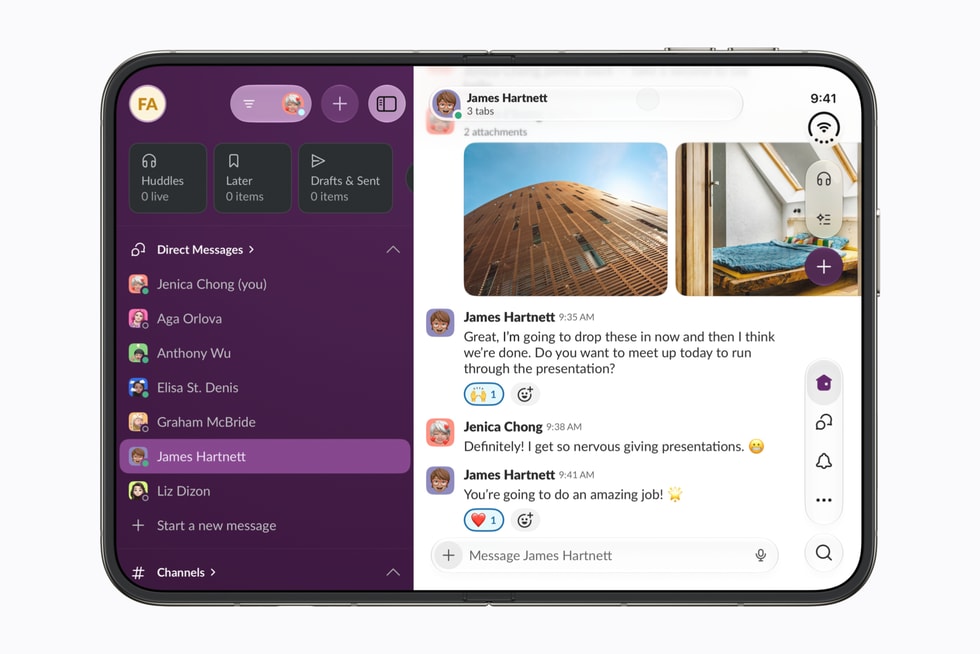
When the phone opens, content transitions gradually rather than abruptly jumping from one display to another. Split View lets two apps run side by side on iPhone for the first time. Users can open two windows of the same app, save app pairs and keep Siri AI visible alongside the content they are discussing.
Third-party apps including Netflix, Zoom and Slack are already being optimized for the larger canvas. That is important because a foldable without strong app support quickly becomes an expensive way to make one app bigger. For the broader software changes, see our iOS 27 update guide and our coverage of Siri AI in iOS 27.
5. Multitasking Finally Gives the Large Screen a Job
The best foldables earn their size by making two tasks genuinely easier to do together. On iPhone Duo, Split View can put mail next to Safari, Slack next to a document, or Siri AI beside the information you are asking about. Apple also allows two windows from the same app, such as two Safari windows.
That may sound obvious to Android foldable users, but it changes the iPhone workflow significantly. The Duo is the first iPhone where the inner screen can act more like a compact tablet workspace rather than simply a larger phone.
The question is how often you will use that space. If your phone is primarily a camera, messaging device and social feed, the value may be limited. If you regularly review documents, compare information, join video calls or work on the move, the larger canvas becomes easier to justify.

6. Laptop and Tent Modes Make the Fold More Than a Bigger Screen
Partially folding the Duo creates modes a normal iPhone cannot reproduce. Early demonstrations showed Netflix in a laptop-like position with video on the top half and controls below. Tent mode can also expose the outer display for StandBy-style information without requiring the phone to be plugged in.
These modes are small details, but they show why the hinge matters beyond novelty. A phone that can support itself can become a tiny video screen, a hands-free FaceTime device, a camera stand or a desk clock without a separate accessory.
For frequent travelers, commuters and people who take calls from temporary workspaces, that flexibility could become one of the Duo’s most practical advantages.
7. The Cameras Gain New Tricks, but the System Is Not a Pro Max Replacement
iPhone Duo has two 48MP rear cameras, including a main camera with an optical-quality 2x option and a 48MP ultra-wide camera. The folding design adds creative uses that are more distinctive than the raw camera count.
You can frame a selfie using the higher-quality rear cameras while previewing yourself on the outer display. Duo Preview can show the subject what the camera sees, and FaceTime can use both displays in new ways. Apple also adds on-device camera features such as Smart Take and Kid Cue.
However, buyers coming from the most camera-focused Pro models should examine the trade-offs carefully. The Duo does not simply combine every top iPhone camera feature with a foldable body. If photography is your first priority, wait for detailed camera comparisons rather than assuming the $1,999 price guarantees the best iPhone camera system.
8. Battery Life Sounds Strong, but the Two-Screen Reality Needs Testing
Apple splits battery capacity across both halves of the phone and treats the two batteries as one system. Its published figures are up to 31 hours of video playback on the inner display, up to 44 hours on the outer display, and up to 24 hours of mixed use when both screens are used equally.
Charging is also competitive: Apple says the Duo can reach 50% in around 20 minutes with wired fast charging, or around 30 minutes with MagSafe or Qi2 wireless charging.
Those are useful reference points, not a substitute for real-world endurance. Foldables encourage heavier screen use, more multitasking and more video. Battery performance will depend heavily on whether owners mostly use the compact outer screen or unfold the phone throughout the day.
9. Touch ID, eSIM-Only and New Accessories Change the Everyday Experience
Instead of relying on Face ID, iPhone Duo places Touch ID in the side button so authentication works consistently whether the device is open or closed. That makes practical sense for a folding device, though long-time Face ID users may need to adjust.
The Duo is also eSIM-only worldwide. Apple says this saves internal space and supports more than 500 carriers, but anyone who frequently swaps physical SIM cards should verify carrier support before ordering.
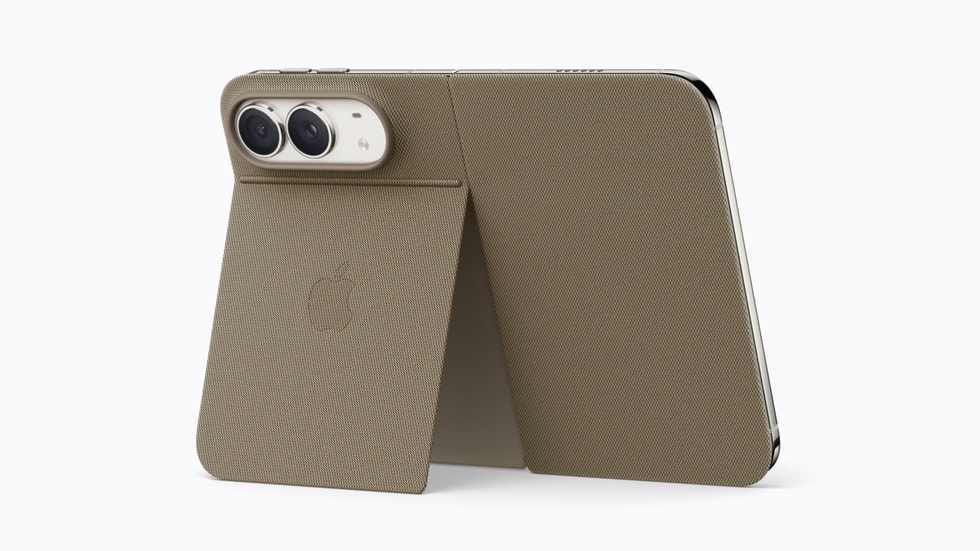
Accessories are unusually important for a foldable. Apple’s $79 two-piece case protects both halves, while the $129 Folio adds an integrated kickstand. Case thickness can affect how the display edge feels, which is why Apple also includes a display-position adjustment. We explain that behavior in our guide to the iPhone Duo “Shift Left Edge” setting.
10. The $1,999 Price Makes This a Lifestyle Decision, Not Just a Spec Upgrade
iPhone Duo starts at $1,999 in the U.S. for 256GB, with 512GB, 1TB and 2TB configurations also available. Apple says preorders open at 5 a.m. PT on Friday, October 16 in more than 70 countries and regions, with availability beginning October 23. Another 28 markets follow on October 30.
At that price, the question is not whether the Duo is powerful. It clearly is. The question is whether folding changes enough of your daily routine to justify paying substantially more than a conventional flagship phone.
For someone who wants the largest possible iPhone workspace in a pocket, regularly multitasks, watches video, reads long documents or wants a phone that can stand on its own for calls and media, the argument is strong. For users who mostly want the best camera, familiar one-handed ergonomics and lower cost, a conventional iPhone may remain the more rational choice.
Should You Preorder iPhone Duo?
Consider preordering if you already know that a foldable form factor solves a real problem for you, you are comfortable buying first-generation hardware, and the $1,999 starting price fits your budget without forcing compromises elsewhere.
Wait for full reviews if battery endurance, hinge durability, camera quality or long-term display behavior are important to your decision. Those are precisely the areas launch-day specifications cannot fully answer.
Skip this generation if your current phone already handles your workflow comfortably and the main appeal is simply novelty. Foldables become better value when the extra screen changes what you can do, not merely how the phone looks.
Our early conclusion: iPhone Duo appears to be one of Apple’s most consequential hardware changes in years, and the first hands-on reports suggest the display and hinge engineering are unusually refined. But a refined first impression is still not the same as a long-term review. The smartest buyer will match the device to a real use case rather than the launch hype.
iPhone Duo First Impressions FAQ
When can I preorder iPhone Duo?
Apple says preorders begin Friday, October 16, 2026 at 5 a.m. PT in more than 70 countries and regions.
When does iPhone Duo go on sale?
General availability begins Friday, October 23 in the first wave of markets, with another 28 countries and regions following on October 30.
How much does iPhone Duo cost?
The U.S. starting price is $1,999 for 256GB. Higher storage options include 512GB, 1TB and 2TB.
Does iPhone Duo have Face ID?
Apple uses Touch ID in the side button for authentication on iPhone Duo. The design allows fingerprint authentication in both folded and unfolded positions.
Is the iPhone Duo crease visible?
Apple designed the inner screen with a nano-texture finish to reduce reflections and minimize crease visibility. Early hands-on reporting described the crease as difficult to find by touch, but long-term display behavior still needs independent testing.
Does iPhone Duo support Apple Pencil?
Apple says Apple Pencil with USB-C support is planned for later in 2026, allowing note-taking, sketching and document markup on either display.
Sources & Editorial Note
This first-impressions analysis was prepared from Apple’s official launch information and independent early hands-on reporting. Digital Pulse Brief has not represented this article as a long-term hands-on review.
Related Digital Pulse Brief Guides
iPhone Duo: Price, Release Date & Full Specs
See storage options, cameras, battery details and the complete launch timeline.
Hidden ‘Shift Left Edge’ Setting Explained
Why bulky cases can change the display edge—and how Apple’s adjustment helps.
iOS 27: 15 Settings to Change First
Improve battery life, privacy, notifications and Siri AI after installing iOS 27.
Follow Digital Pulse Brief for the Next iPhone Duo Updates
We’ll update our coverage as preorder details, independent reviews, battery tests and real-world durability data arrive.
DIGITAL PULSE BRIEF NEWSLETTER
Get clear AI, technology and business insights in your inbox
Breaking developments, practical explainers, reviews and useful tech intelligence — without the noise.
WHAT TO READ NEXT
What Is an AI PC? NPU, TOPS and Copilot+ PC Requirements Explained  Meta Connect 2026 Day 1: Everything Announced — Meta VR Glasses, Ray-Ban Meta Audio, Gen 3 and Muse Snapdragon Summit 2026 Day 2 Recap: Agentic PCs, Linux, Sound Elite Gen 2 and New Devices
MORE FROM DIGITAL PULSE BRIEF