Home › Cloud & Infrastructure › Project Suncatcher
Cloud & Infrastructure · News Analysis
Google Project Suncatcher: First TPU Satellite Test Launches October 1 — What It Will Actually Prove
Google is sending Tensor Processing Units into orbit on SpaceX’s Transporter-18 mission. The first flight is a hardware-survival and thermal test, not a finished orbital data center — and the hardest scaling problems are still ahead.
By Digital Pulse Brief · Published September 26, 2026 · Research-based analysis
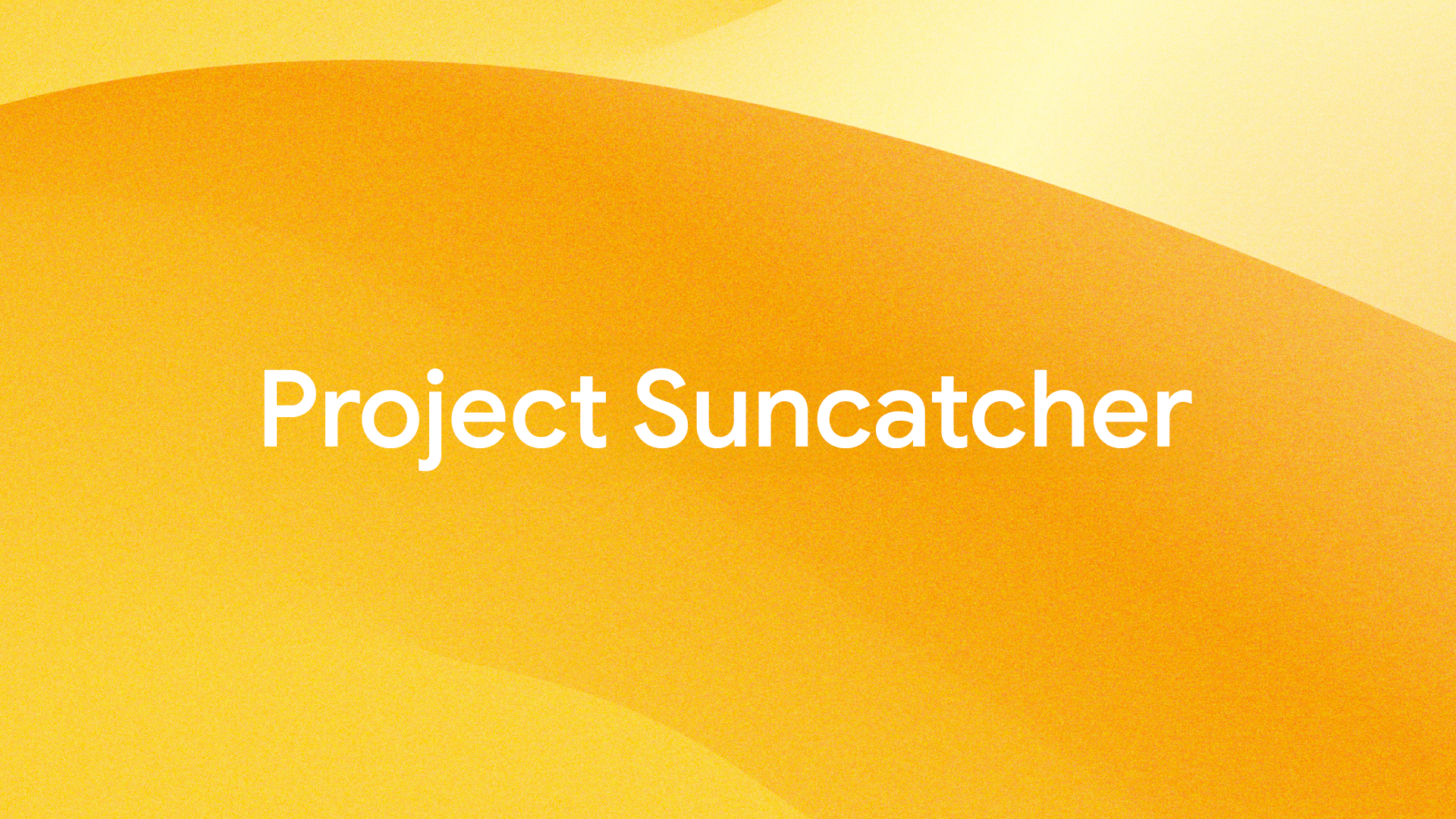
Google’s Project Suncatcher is about to leave the lab. A prototype satellite carrying Google TPUs is scheduled to launch on SpaceX’s Transporter-18 rideshare mission on October 1, according to current launch reporting; Google says the in-orbit test is due next week. Developed with Planet, the mission is designed to measure how AI hardware handles launch forces, radiation and the thermal extremes of low Earth orbit. It is not an operational space data center.
That distinction matters. The interesting question is not whether four chips can run a model for a few minutes in orbit. It is whether Google can eventually turn many satellites into a tightly networked compute cluster that has enough power, cooling, bandwidth and reliability to behave more like a data center than a collection of spacecraft.
What you need to know
- First orbital TPU test: Google says the mission will evaluate how its Tensor Processing Units perform in space.
- October 1 is the current target: launch timing comes from current reporting and can move, as spaceflight schedules often do.
- This is not a production data center: the near-term goal is engineering data on launch stress, radiation and thermal behavior.
- Scaling comes later: Google’s research envisions solar-powered satellite clusters connected by optical links, with a two-satellite optical-link milestone planned for 2027.
What is launching on October 1?
Google’s September 24 update describes the flight as Project Suncatcher’s first test in orbit. The prototype is riding on SpaceX’s Transporter-18 mission and was developed with satellite company Planet. Google says the flight should reveal how TPUs respond to the physical stress of launch and to radiation and thermal extremes once on orbit.
Ars Technica reports that the experimental spacecraft carries four TPUs and will run Gemini workloads only in short bursts of roughly 15 minutes before the system has to cool. Those details underline how early this is: the mission is closer to a flying engineering test bench than to a miniature cloud region.
Google’s own wording is deliberately cautious. Project Suncatcher remains a long-term research moonshot exploring whether space could one day host scalable machine-learning infrastructure.
Why Google wants AI compute in orbit
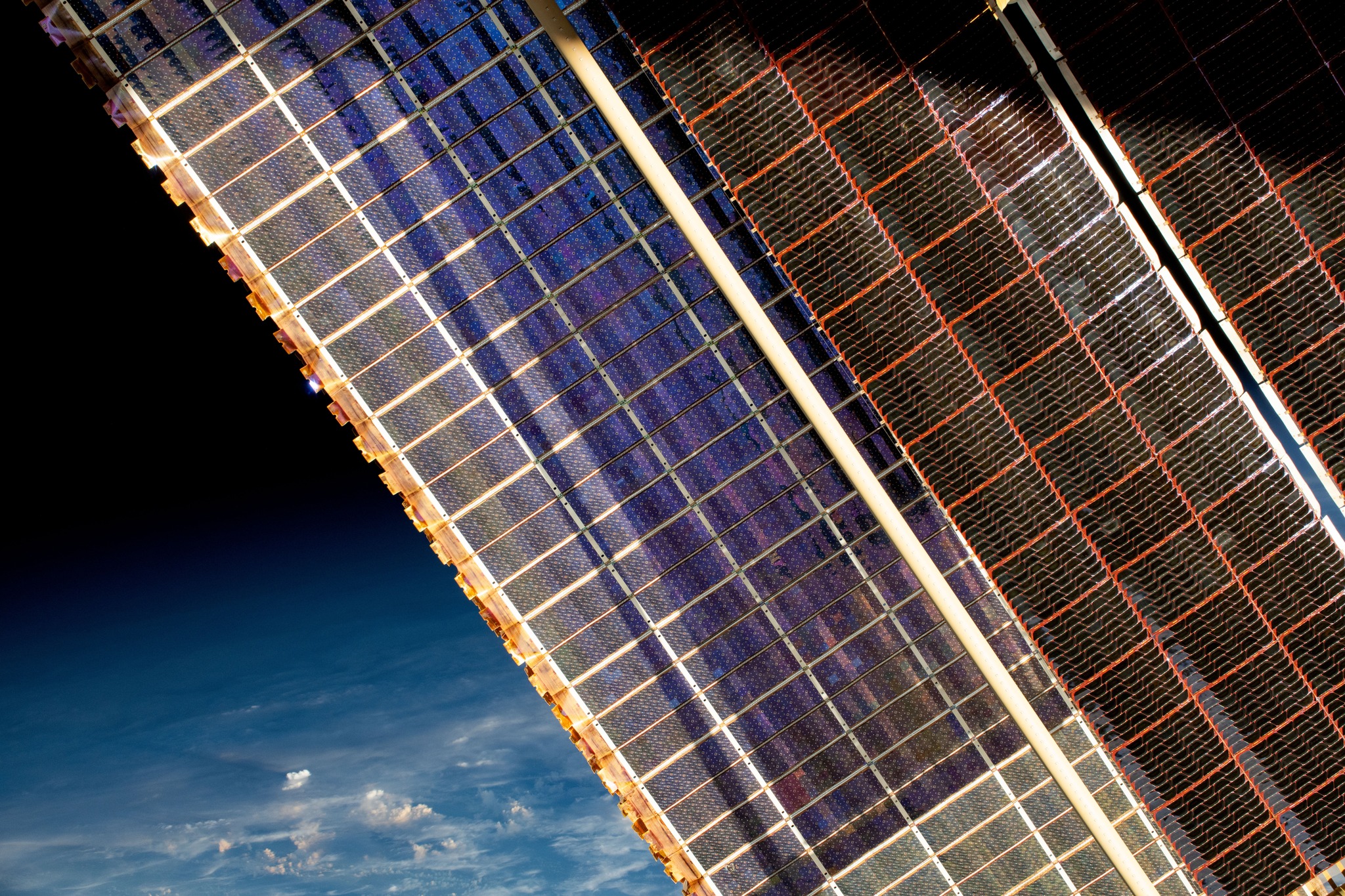
The core attraction is power. Google’s research says a solar panel in the right low-Earth orbit can be up to eight times more productive than the same panel on Earth and can receive sunlight nearly continuously. That could reduce dependence on batteries and, at very large scale, ease some of the power-supply constraints affecting terrestrial AI infrastructure.
That does not make power “free.” Solar arrays, power electronics, shielding, radiators and launch mass all have costs. But the idea becomes more interesting as terrestrial AI clusters require larger grid connections and more predictable energy supply. Digital Pulse Brief has previously examined how AI data centers are becoming grid-aware; Suncatcher explores a much more radical way of moving part of the compute closer to an abundant energy source.
Cooling is the immediate engineering problem
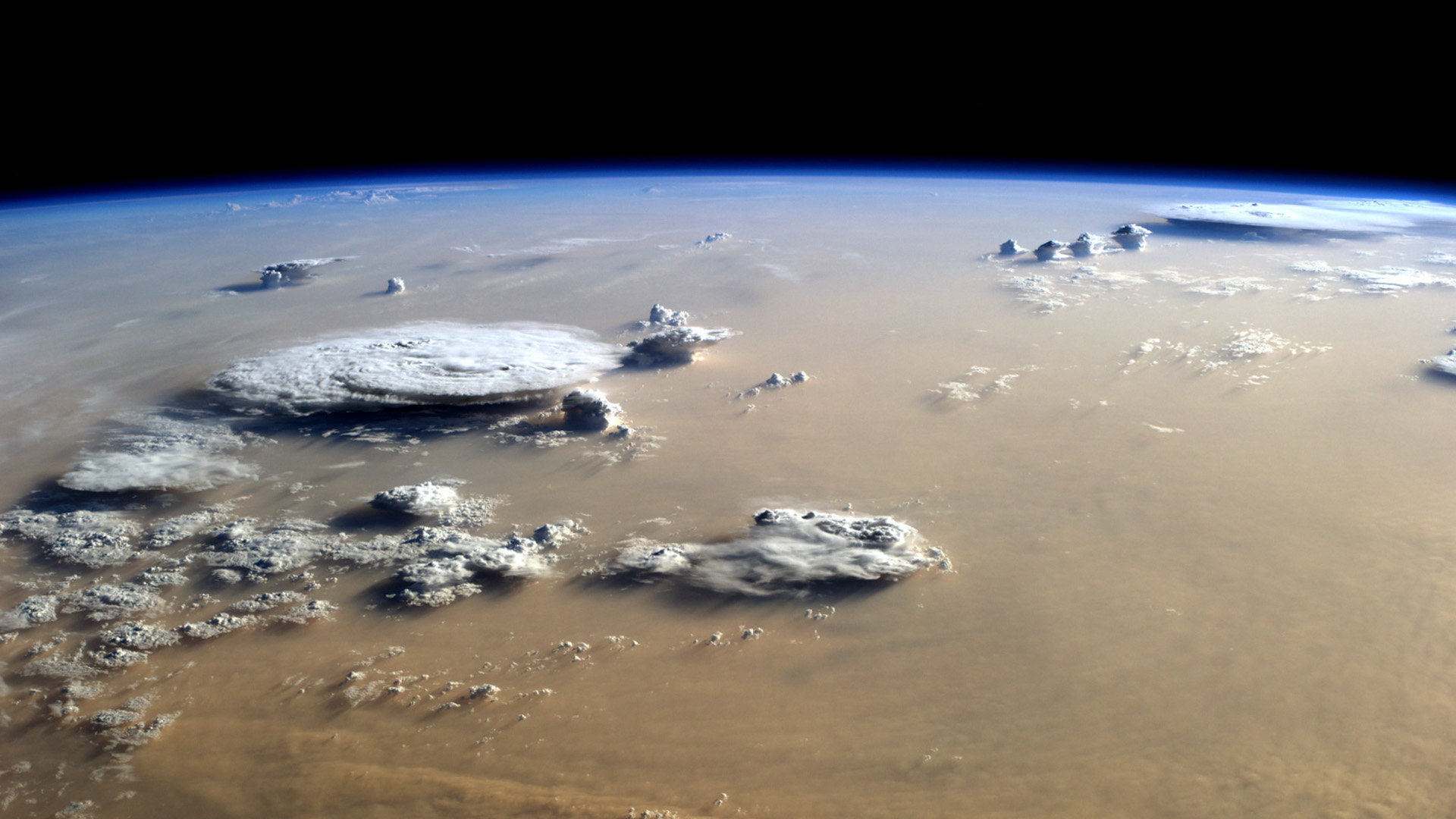
Space is cold in the everyday sense, but vacuum is a difficult place to cool high-power electronics. A server rack on Earth can transfer heat into moving air or liquid loops that ultimately reject heat to the environment. In orbit there is no surrounding air to carry that heat away. A spacecraft has to conduct heat from the chips into radiators and then emit it as infrared radiation.
Google says its early hardware uses thermal-interface material, aluminum and copper heat pipes to move heat toward a radiator. Ars reports that the first spacecraft’s thermal system is restrictive enough that the TPUs will operate in short test windows rather than continuously.
This is why the first orbital mission is valuable even if nothing resembling a “data center” emerges from it. Real temperature curves, hot spots, throttling behavior and recovery times are the kind of measurements that simulations and vacuum-chamber tests cannot fully replace.
Radiation tests are encouraging — but orbit is the real test
Google has already exposed its Trillium v6e TPU hardware to a 67 MeV proton beam. In its published research, the company says the high-bandwidth memory subsystem began showing irregularities after a cumulative dose of 2 krad(Si), nearly three times its stated estimate for a shielded five-year mission dose of 750 rad(Si). Google also reported no hard failures attributable to total ionizing dose up to 15 krad(Si) on the tested chip.
Those are useful laboratory results, not a guarantee of mission reliability. Space hardware also has to survive vibration, launch acceleration, single-event effects, repeated thermal cycling and long periods without physical maintenance. The October flight gives Google data from the environment it ultimately wants to operate in.
Networking will decide whether Suncatcher can ever scale
A single satellite can run a small workload. A large AI model needs many accelerators exchanging data quickly enough that communication does not become the bottleneck.
Google’s 2025 system study says data-center-class distributed workloads could require tens of terabits per second between satellites. Its bench demonstrator achieved 800 Gbps in each direction, or 1.6 Tbps total, with one transceiver pair. That is substantial, but it is still a component-level demonstration rather than a working orbital fabric.
The proposed architecture therefore depends on satellites flying unusually close together. Google modeled an illustrative 81-satellite cluster at about 650 km altitude with a cluster radius of roughly 1 km and some neighboring spacecraft only around 100–200 meters apart. Maintaining that geometry while preserving collision safety, pointing optical links precisely and managing failures is a separate systems problem from making the TPU itself survive.
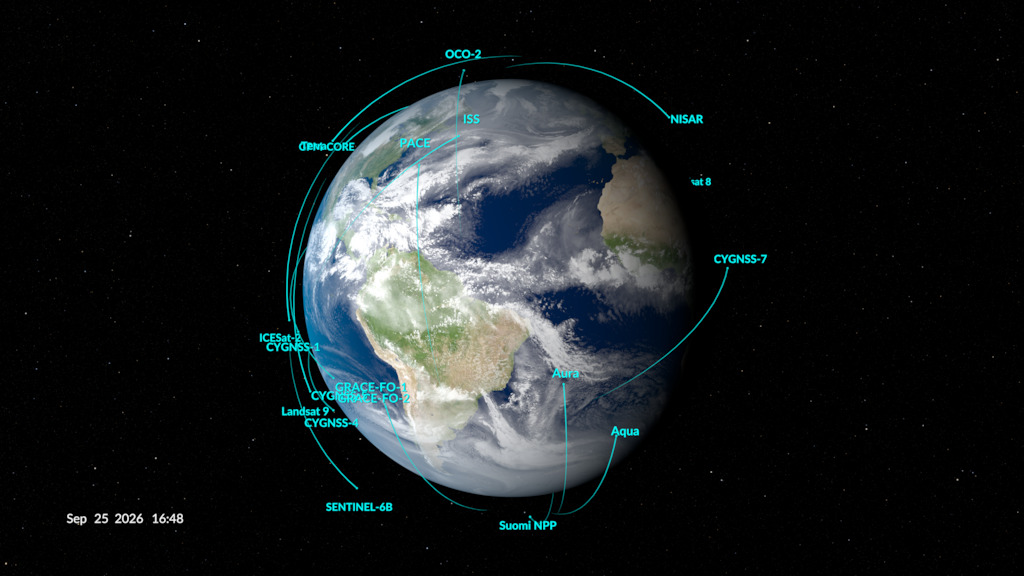
Google’s next major milestone is a planned two-satellite mission in 2027 to test optical inter-satellite links and distributed machine-learning tasks. That experiment is more directly tied to the long-term constellation idea than the first single-satellite hardware test.
Terrestrial AI data center vs orbital AI cluster
| Factor | Terrestrial data center | Orbital concept |
|---|---|---|
| Power | Grid, on-site generation, storage and contracts | Near-continuous solar energy in selected orbits |
| Cooling | Air/liquid systems with serviceable infrastructure | Heat pipes and radiators must reject heat through radiation |
| Networking | Fiber, switches and mature data-center fabrics | High-rate optical links with demanding pointing and formation control |
| Maintenance | Technicians can replace failed equipment | Hardware is effectively remote and difficult to repair |
| Upgrade cycle | Servers can be refreshed incrementally | Launch cadence and de-orbit strategy become part of the refresh plan |
| Economics | Known construction and operating models | Highly sensitive to launch cost, reliability and spacecraft lifetime |
The orbital column describes Google’s research direction, not a commercially available service.
The economics are still a projection
Google’s research includes a long-range economic model suggesting launch prices could fall below $200 per kilogram by the mid-2030s if historical learning trends continue. At that point, the company argues, launching and operating a space-based data center could become roughly comparable with reported terrestrial data-center energy costs on a per-kilowatt-year basis.
That should be read as a scenario, not a forecast. The result depends on future launch pricing, spacecraft lifetime, utilization, replacement rates, ground links and hardware integration. Any one of those variables can materially change the economics.
What remains unproven
- Continuous thermal performance: Can dense AI accelerators run near full utilization without radiators becoming impractically large?
- High-bandwidth orbital networking: Bench optical results must become reliable links between moving spacecraft.
- Ground connectivity: Large workloads still need data to move between Earth and orbit efficiently.
- Reliability and repair: Failed servers on Earth are replaceable; failed orbital hardware is not.
- Hardware refresh: AI accelerators evolve quickly, while spacecraft programs traditionally operate on longer cycles.
- Launch and orbital operations: Cost, debris mitigation, collision avoidance and de-orbit plans matter at constellation scale.
Project Suncatcher timeline
| Date | Milestone | What it tests |
|---|---|---|
| Nov. 2025 | Project Suncatcher announced | System design, optical links, orbital dynamics and radiation research |
| Oct. 1, 2026 target | First TPU hardware in orbit | Launch stress, radiation, thermal behavior and real orbital operation |
| 2027 planned | Two-satellite learning mission | Optical inter-satellite links and distributed ML tasks |
Why this first test matters
The October mission will not settle whether orbital AI data centers are economically sensible. It can answer a narrower and more useful question: what breaks when standard high-performance AI hardware leaves a laboratory and actually goes to space?
If the TPUs survive launch, radiation and thermal cycling while producing useful operational data, Google gets a firmer foundation for the 2027 networking experiment. If the hardware hits limits, that is equally valuable because it tells the team what has to change before larger spacecraft carry dozens of accelerators.
For readers trying to understand how this differs from conventional cloud infrastructure, our IaaS vs PaaS vs SaaS vs serverless explainer covers the software layers that sit above today’s physical data centers. Suncatcher is concerned with something lower in the stack: whether the physical compute substrate itself can move off Earth.
Frequently asked questions
Is Google building a working data center in space right now?
No. The first Project Suncatcher flight is an engineering prototype intended to test TPU hardware and thermal behavior in orbit. Google describes the broader program as a long-term research moonshot.
When is the first Project Suncatcher launch?
Current reporting targets October 1, 2026, on SpaceX’s Transporter-18 rideshare mission. Google’s September 24 announcement says the first TPUs are going to orbit “next week.” Launch schedules can change, so the date should be treated as a current target until liftoff.
Could orbital AI replace terrestrial data centers?
There is no evidence yet that it will. Google’s work is testing whether some machine-learning infrastructure could eventually be viable in orbit. Cooling, communications, reliability, maintenance and launch economics remain major unresolved constraints.
Sources and methodology
This article is a research-based analysis using first-party Google material and current launch reporting. Digital Pulse Brief has not tested Project Suncatcher hardware.
- Google — Behind Project Suncatcher, Sep. 24, 2026
- Google Research — space-based scalable AI infrastructure system design
- Google research preprint — Project Suncatcher system design
- Ars Technica — first orbital test launch reporting
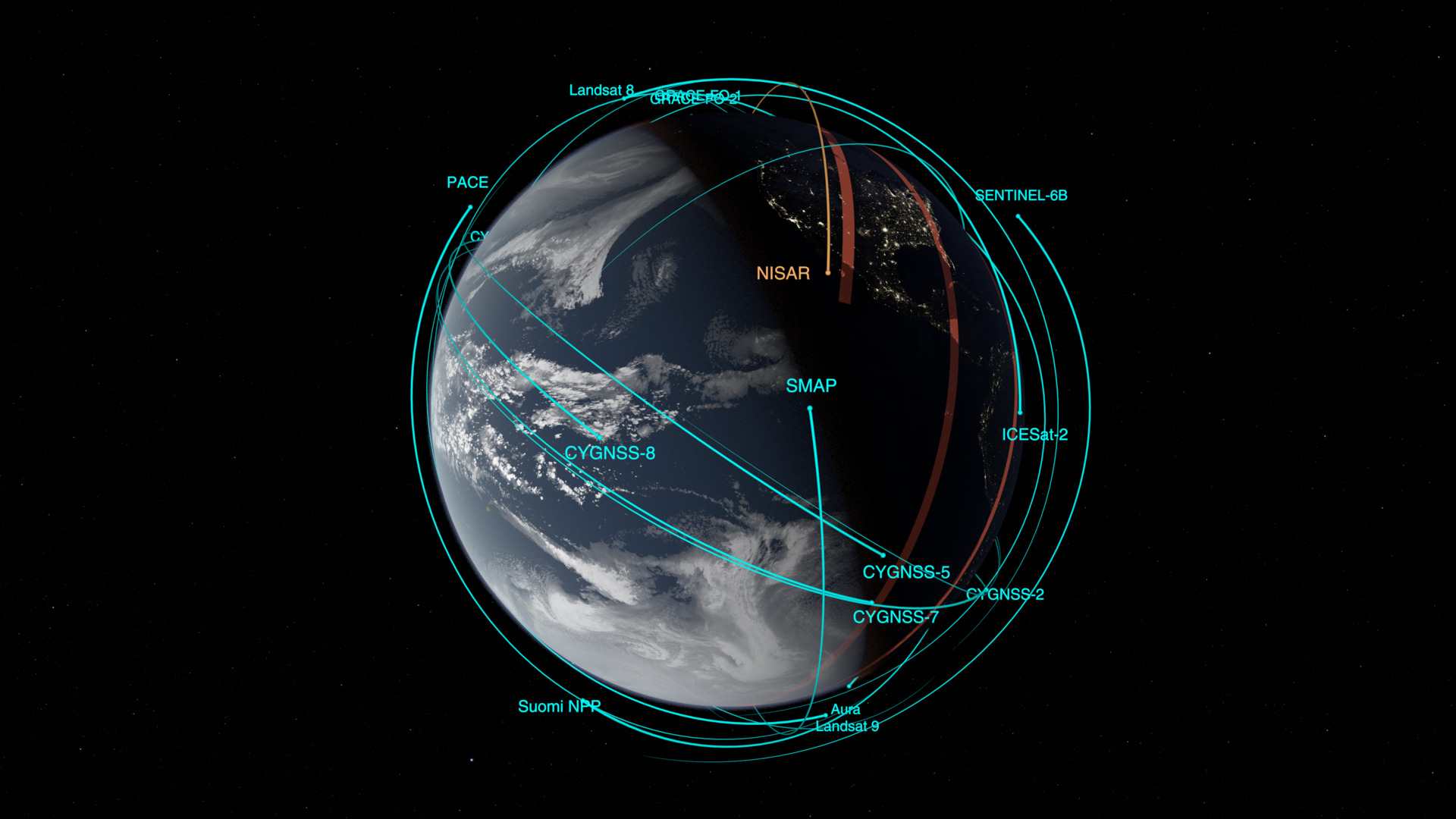
Image notes: the Project Suncatcher graphic is a first-party Google Research asset used in direct editorial context with source credit. NASA context images/visualizations are credited to NASA/Goddard or NASA Scientific Visualization Studio and are used under NASA’s media-use/public-domain guidance. NASA context images are explicitly labeled as not depicting Suncatcher hardware.
Digital Pulse Brief — AI, Technology & Business — Explained Clearly.
DIGITAL PULSE BRIEF NEWSLETTER
Get clear AI, technology and business insights in your inbox
Breaking developments, practical explainers, reviews and useful tech intelligence — without the noise.
WHAT TO READ NEXT
Cloud Computing Explained: IaaS vs PaaS vs SaaS vs Serverless in 2026  Alibaba Zhenwu V900: 216GB AI Chip, Qwen 5 Roadmap and the 20GW Cloud Push
  AI Data Centers Are Becoming Grid-Aware: How Google, NVIDIA and Emerald AI Plan to Flex Power Demand
MORE FROM DIGITAL PULSE BRIEF