Cloud Computing Explained: IaaS vs PaaS vs SaaS vs Serverless in 2026

Cloud computing is the on-demand delivery of computing resources over a network, usually the internet. Instead of owning every server and software stack yourself, you can consume infrastructure, platforms or complete applications as services.
The cloud service models in one table
| Model | Provider manages | You manage | Best fit |
|---|---|---|---|
| IaaS | Physical infrastructure, virtualization | OS, runtime, apps, data | Maximum cloud control |
| PaaS | Infrastructure + platform/runtime | Application code and data | Application teams |
| SaaS | Full application stack | Configuration and your data | End users/business teams |
| Serverless/FaaS | Infrastructure and execution environment | Functions/code, data, architecture | Event-driven workloads |
What is IaaS?
Infrastructure as a Service gives you compute, storage, networking and virtualization without owning the physical data center. You retain more control over operating systems, middleware and applications, which also means more operational responsibility.
What is PaaS?
Platform as a Service moves more responsibility to the provider. Developers deploy code while the service handles much of the underlying infrastructure and platform maintenance. It can accelerate delivery, but may increase dependence on provider-specific services.
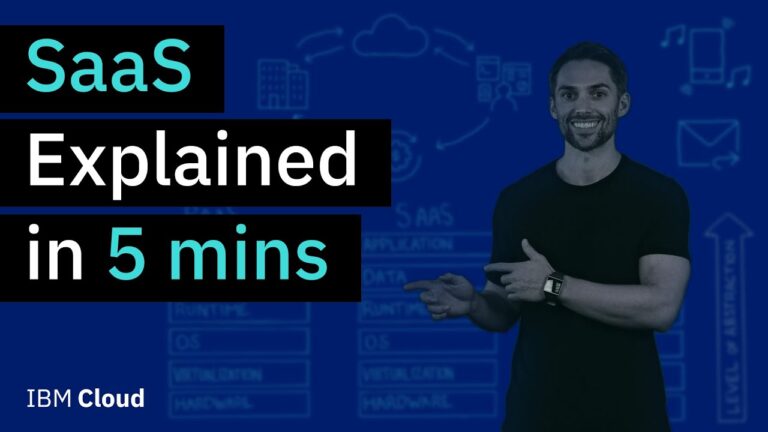
What is SaaS?
Software as a Service delivers the complete application. Users typically access it through a browser or client, while the vendor operates the application and infrastructure. Google Workspace, Microsoft 365 and many CRM products follow this model.
Where serverless fits
Serverless does not mean there are no servers. It means developers do not manage the server fleet directly. Functions or services run in response to events, requests or schedules, and billing often maps more closely to actual execution. It works well for bursty and event-driven workloads, but cold starts, runtime limits and architecture complexity can matter.
Public, private, hybrid and multi-cloud
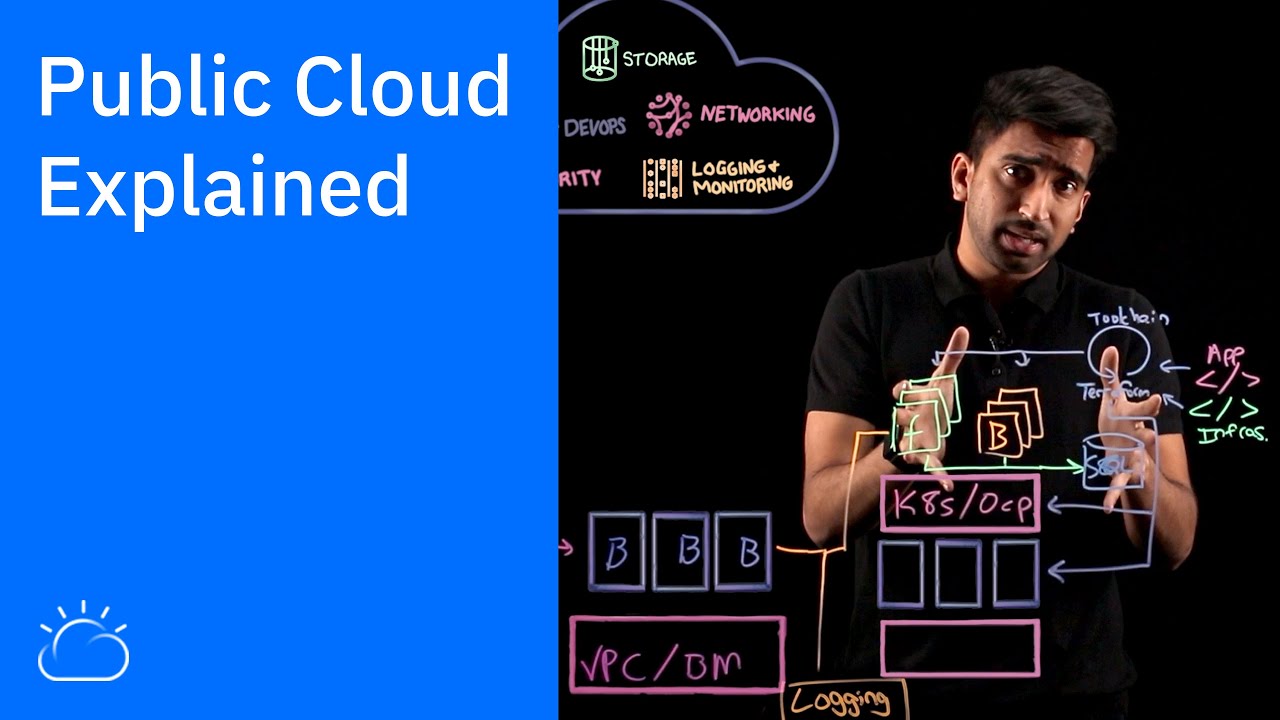
Public cloud uses shared provider infrastructure. Private cloud applies cloud-style automation to infrastructure dedicated to one organization. Hybrid cloud connects on-premises/private environments with public cloud. Multi-cloud uses services from more than one cloud provider.
Why companies move to cloud
- Faster provisioning
- Elastic capacity
- Global regions and managed services
- Reduced data-center ownership
- Access to managed databases, AI, analytics and security services
Cloud is not automatically cheaper. Poorly governed workloads can create large bills through idle resources, data transfer, oversized instances and duplicated services.
The shared-responsibility reality
Moving to cloud does not outsource every security obligation. The provider secures different layers depending on the service model; customers still control identities, data, configurations and application behavior to varying degrees. SaaS reduces infrastructure responsibility but does not remove the need for account security and data governance.
How to choose the right model
Choose IaaS when you need OS-level control or must migrate traditional workloads with minimal redesign. Choose PaaS when developer velocity matters more than infrastructure control. Choose SaaS when the business need is already solved by a mature application. Choose serverless for suitable event-driven workloads where operational simplicity and elastic scaling outweigh runtime constraints.
Cloud cost checklist
- Estimate compute, storage and network egress separately.
- Tag resources by team/project.
- Set budgets and alerts.
- Delete idle resources.
- Review reserved/committed-use discounts only after demand is understood.
- Model exit and portability costs for critical workloads.
FAQ
Is SaaS the same as cloud computing?
SaaS is one cloud service model. Cloud computing also includes infrastructure, platforms, serverless services, databases and many other managed capabilities.
Is cloud always cheaper than on-premises?
No. Economics depend on utilization, staffing, licensing, data transfer, architecture and purchasing commitments.
The shared-responsibility model matters more than the service label
Moving to the cloud does not remove security responsibility; it redistributes it. In infrastructure services, the provider typically secures the physical facilities and underlying virtualization while the customer still manages operating systems, identities, data, network rules and application configuration. As services become more managed, the provider takes on more of the platform stack, but customers still control users, permissions, data and how the service is configured.
How to choose between IaaS, PaaS, SaaS and serverless
| Need | Usually fits best |
|---|---|
| Maximum control over operating system and network design | IaaS |
| Build applications without managing most server plumbing | PaaS |
| Use finished business software | SaaS |
| Run event-driven code with minimal infrastructure management | Serverless |
The best choice is often mixed. A company may use SaaS for collaboration, PaaS for internal applications, serverless for event processing and IaaS for workloads that need custom networking or legacy operating systems.
Cloud cost is an operating model, not just a price list
Cloud spending can rise when teams leave resources running, overprovision capacity, duplicate data, transfer large volumes between regions or keep development environments active around the clock. Cost control therefore depends on tagging, budgets, rightsizing, lifecycle rules and architecture—not only negotiating a lower unit price.
Availability and lock-in trade-offs
Managed services can reduce operational work, but the more an application depends on proprietary databases, queues, identity services or serverless runtimes, the harder it may be to move. Portability has a cost too: designing for the lowest common denominator can prevent teams from using useful managed capabilities. Treat portability as a business requirement rather than an automatic goal.
A practical cloud decision checklist
- What parts of the stack does the team actually need to control?
- Which compliance, data-location or latency requirements apply?
- Who patches the operating system, runtime and application?
- How will identity and secrets be managed?
- What are the expected compute, storage and data-transfer patterns?
- What happens if a region or provider service is unavailable?
- How difficult would migration be after two or three years?
Cloud architecture is usually strongest when service selection follows the workload rather than forcing every workload into the same model.
Sources
Related: AI data centers and power flexibility · AI cloud infrastructure expansion