
Premium Tech · Live Event Guide
Snapdragon Summit 2026 Day 2 Recap: Agentic PCs, Linux, Sound Elite Gen 2 and New Devices
Qualcomm’s second day in Maui delivered concrete Personal AI, intelligent-audio and agentic-PC announcements. This updated guide now covers Snapdragon Sound Elite Gen 2, Snapdragon X2 partner PCs, Linux support, confirmed local-agent workflows and the latest developer details.
By Digital Pulse Brief Editorial Desk · Published September 23, 2026 · Updated September 24, 2026 · Updated after Day 2 announcements

Day 2 results — confirmed announcements
Snapdragon Summit 2026 Day 2 begins Wednesday, September 23 at 12:00 PM Pacific Time (9:00 AM Hawaii time). Qualcomm’s official schedule includes a CEO fireside chat, a Personal AI & Sound keynote, a Modular session on a “Unified AI Compute Layer,” and the PC keynote titled “The Agentic PC is Here” at 1:45 PM PT. The keynote is now complete. Qualcomm’s substantive PC news centers on Snapdragon X2 agentic-AI workflows, new partner PCs and Linux expansion rather than a surprise newly named Day 2 processor.
Confirmed post-keynote updates — September 24, 2026
Snapdragon X2 agentic-PC demos: Qualcomm showed partner workflows running locally on Snapdragon X2-class PCs, including AnythingLLM with ON1 Photo RAW for photo search and creation, Clairvoyance AI for routing work across multiple models, Deepgram for real-time podcast assistance, and Pokee with Halo for continuous enterprise-security monitoring. These were partner demonstrations; Digital Pulse Brief has not independently tested them.
Linux is now part of the Snapdragon X2 roadmap: Qualcomm says it is upstreaming core Snapdragon X2 drivers, including Hexagon NPU and Adreno GPU support. Its early developer work has been validated with Debian 13 user space and a custom kernel. Qualcomm says Debian support is planned by the end of 2026, while Ubuntu certification is targeted for the first half of 2027. HP, ASUS and HUMAIN are also planning Linux support on Snapdragon X2 Series devices in the first half of 2027.
New and highlighted partner PCs: Qualcomm highlighted the Microsoft Surface Pro 12-inch and Surface Laptop 13-inch powered by Snapdragon X2 Plus, the Lenovo IdeaPad Vibe, and the HUMAIN Horizon Ultra with Snapdragon X2 Elite. Qualcomm says the Surface systems deliver 80% faster local AI inferencing, more than 15 hours of battery life and up to 55% better GPU performance versus the previous generation. Those figures are Qualcomm vendor claims, not independent Digital Pulse Brief measurements. Qualcomm also highlighted HP Googlebook 14, powered by Snapdragon X Elite, with a claimed battery life of up to 19 hours.
Snapdragon Sound Elite Gen 2: Qualcomm announced a new audio platform designed specifically for Personal AI. It combines on-device AI, security-focused cloud connectivity and micro-power Wi-Fi 6E, and supports earbuds, headphones, open-ear products, audio glasses and camera-enabled multimodal wearables. Qualcomm claims up to 2x greater AI capability, up to 40% lower power consumption in its specified Wi-Fi-connected idle comparison and up to 30% smaller footprint than Snapdragon S7 Gen 1. Cleer showed an early concept combining audio, vision and AI. Qualcomm has not announced consumer pricing for the platform itself.
Commercial PC readiness: Qualcomm and Insyde Software say InsydeH2O UEFI BIOS is now supporting production-ready Windows AI PCs based on Snapdragon X2 Elite and Snapdragon X Series, covering boot, power management, security, Windows compliance, factory provisioning and OEM customization. This matters because it addresses the firmware layer manufacturers need to move from reference hardware into mass-production systems.
Ecosystem scale: Qualcomm says more than 120 retail partners and over 12,300 stores now carry PCs powered by Snapdragon; more than 13,000 businesses have deployed or tested them; and more than 7,300 applications are putting those PCs to work. These are Qualcomm-reported ecosystem figures.
Modular / Unified AI Compute Layer: Qualcomm’s official agenda confirms Chris Lattner’s Day 2 session. Qualcomm completed its acquisition of Modular in July 2026, and Modular positions its platform as a unified software layer spanning heterogeneous CPU, GPU, NPU and custom-accelerator hardware. We have not found a separate Day 2 technical release that supports adding new API, benchmark or product details beyond the confirmed session, so we are not treating unverified specifics as announced facts.
Primary sources: Qualcomm’s PC/Linux Day 2 recap; Linux on Snapdragon X2 developer preview; Snapdragon Sound Elite Gen 2 announcement; InsydeH2O production-readiness case study.
Snapdragon Summit 2026 Day 2 schedule
Qualcomm is holding Snapdragon Summit 2026 in Maui from September 22–24. Day 1 established the company’s “agentic age” theme and introduced the Snapdragon 8 Elite Extreme Gen 6 and Snapdragon 8 Elite Gen 6 mobile platforms. Day 2 moves into personal AI, audio, software infrastructure and PCs.
| PT | Session | Speaker | Status |
|---|---|---|---|
| 12:00 PM | CEO Fireside Chat | Cristiano Amon | CONFIRMED |
| 12:30 PM | Personal AI & Sound: The Personal AI Ecosystem | Ziad Asghar | CONFIRMED |
| 1:30 PM | Modular: The Unified AI Compute Layer | Chris Lattner | CONFIRMED |
| 1:45 PM | Compute Keynote: The Agentic PC is Here | Kedar Kondap | CONFIRMED |
These times come from Qualcomm’s official Snapdragon Summit event hub. In September, Pacific Time is daylight time (UTC−7).
What time does Snapdragon Summit Day 2 start around the world?
The opening session starts at 12:00 PM PT on September 23. The PC keynote begins 1 hour 45 minutes later. Because the event is in Hawaii and the broadcast is scheduled in Pacific Time, much of Asia will watch after midnight on September 24.
| Region | Day 2 starts | Agentic PC keynote |
|---|---|---|
| US Pacific | Sep 23, 12:00 PM | Sep 23, 1:45 PM |
| US Eastern | Sep 23, 3:00 PM | Sep 23, 4:45 PM |
| UK | Sep 23, 8:00 PM | Sep 23, 9:45 PM |
| Central Europe | Sep 23, 9:00 PM | Sep 23, 10:45 PM |
| Pakistan | Sep 24, 12:00 AM | Sep 24, 1:45 AM |
| India | Sep 24, 12:30 AM | Sep 24, 2:15 AM |
| Singapore | Sep 24, 3:00 AM | Sep 24, 4:45 AM |
| Japan | Sep 24, 4:00 AM | Sep 24, 5:45 AM |
| Sydney | Sep 24, 5:00 AM | Sep 24, 6:45 AM |
Daylight-saving rules vary by region, so viewers near a clock-change boundary should use the official event page as the final reference.
How to watch the Snapdragon Summit 2026 Day 2 replay
The safest route is Qualcomm’s official Snapdragon Summit 2026 page, which carries the broadcast schedule and livestream entry point. Qualcomm also archives summit video and event material through its official channels.
If you only care about PCs, you do not need to watch from the first minute: the compute keynote is scheduled for 1:45 PM PT. Viewers interested in the broader personal-AI story should start at 12:30 PM PT for Ziad Asghar’s Personal AI & Sound keynote, then stay for Chris Lattner’s Modular session immediately before the PC keynote.
Day 2 announcements: what Qualcomm confirmed
CONFIRMED — Personal AI across devices. Qualcomm’s own pre-summit and Day 1 material describes an “Ecosystem of You” in which phones, PCs, earbuds, wearables and other devices share context and split work between on-device, edge and cloud resources. The company is explicitly positioning the PC as one node in that distributed personal-AI system.
CONFIRMED — Sound is part of the personal-AI session. The official agenda names the 12:30 PM PT session “Personal AI & Sound Keynote: The Personal AI Ecosystem.” That makes audio devices and the way assistants move between devices a core Day 2 theme, even though Qualcomm has not pre-announced every product that may appear.
CONFIRMED — Modular has a dedicated AI-compute session. Chris Lattner is scheduled to present “Modular: The Unified AI Compute Layer” at 1:30 PM PT. The agenda confirms the session title and speaker; any deeper inference about product announcements should wait for the talk itself.
CONFIRMED — the PC keynote is explicitly about an “Agentic PC.” Kedar Kondap, Qualcomm’s SVP and GM of Compute and Gaming, takes the stage at 1:45 PM PT. Qualcomm’s Day 1 remarks also promised its “latest breakthroughs in the PC” for Day 2.
What Day 1 already established
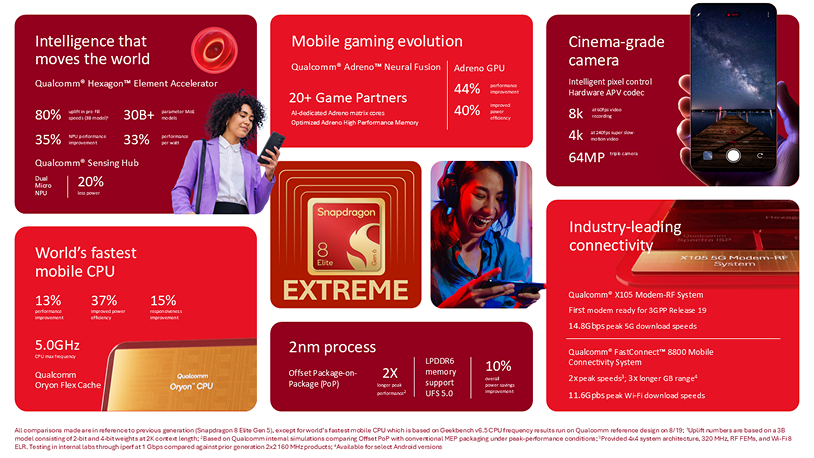
Day 1 was mobile-heavy. Qualcomm formally introduced two premium 2nm smartphone platforms — Snapdragon 8 Elite Extreme Gen 6 and Snapdragon 8 Elite Gen 6 — and framed both around on-device agents, imaging, gaming and connectivity. Digital Pulse Brief has a separate full comparison of the two Snapdragon 8 Gen 6 platforms, so this guide does not duplicate that coverage.
The more important signal for Day 2 is strategic: Qualcomm is trying to make “agentic AI” a cross-device platform story rather than a single-chip story. Its September 22 overview says Snapdragon is intended to support intelligent experiences across phones, PCs, cars, earbuds and other personal devices. That sets up Day 2 as the point where the company has to show what the idea actually means on larger screens and longer-running workloads.

What does Qualcomm mean by an “Agentic PC”?
ANALYSIS: The phrase matters less than the workload model behind it. A conventional AI PC usually runs isolated features — transcription, image effects, search, background blur or a chatbot. An agentic PC is supposed to keep context, understand a goal, break work into steps, use tools and complete parts of a workflow with user direction and review.
Qualcomm has already shown where it wants this to go. In August, the company highlighted agentic applications running natively on Snapdragon X Series PCs, including local-first tools and assistants. Its examples emphasize sustained local inference, memory bandwidth, battery life and privacy rather than one-off benchmark bursts. Qualcomm says current Snapdragon X Series NPUs can reach up to 80 TOPS on X2-class platforms, giving software more room to keep AI tasks on the device.
The key Day 2 question is therefore not “does the laptop have an NPU?” Most premium AI PCs now do. The harder question is whether Qualcomm and its partners can demonstrate agents that are genuinely useful, persist across tasks, respect permissions, and run efficiently enough that always-on intelligence does not destroy battery life.
Googlebook is already a useful clue
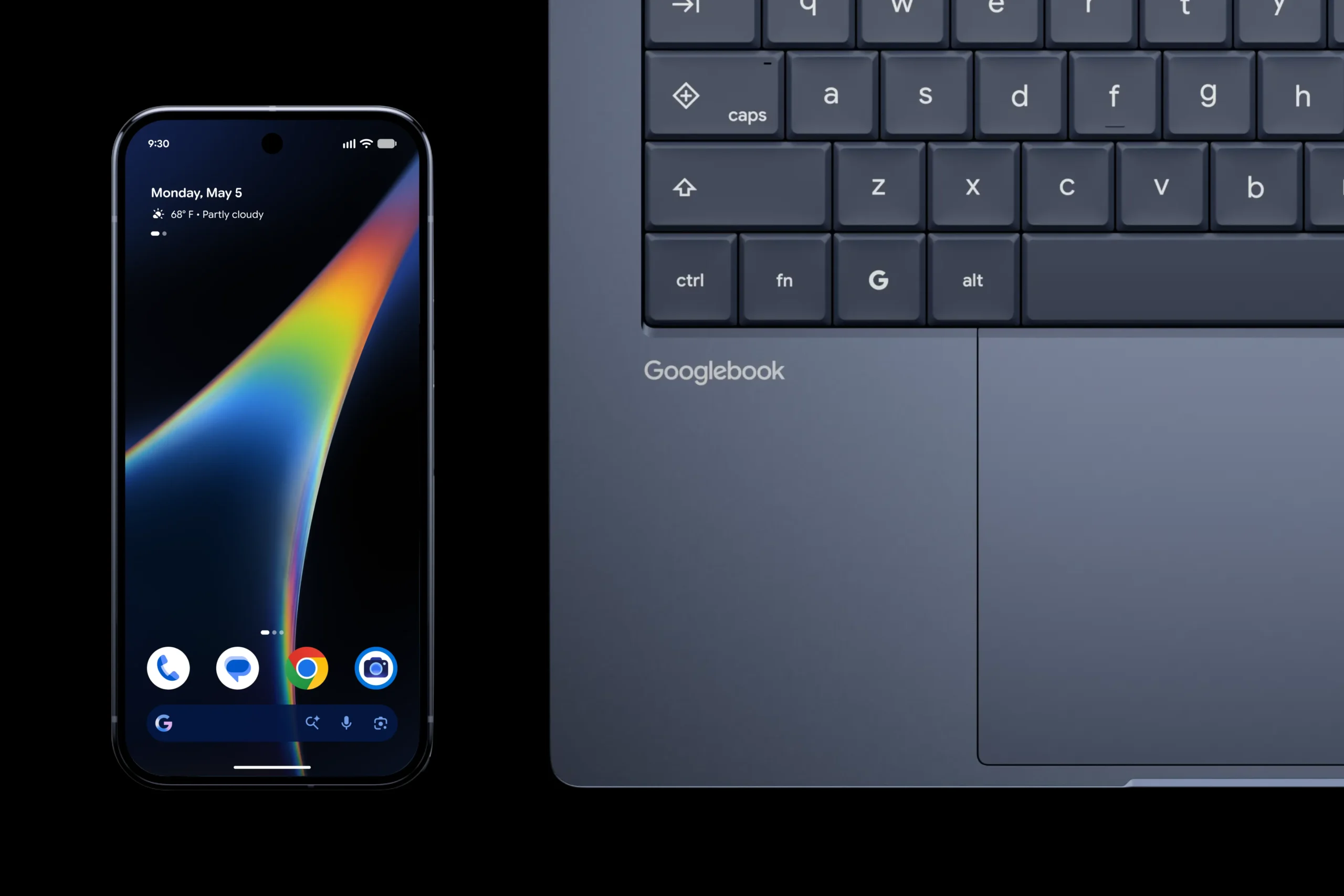
Two days before the Day 2 keynote, Qualcomm announced that Snapdragon X Elite powers the first Googlebook laptops designed around Gemini Intelligence. Qualcomm says the machines combine all-day battery life, native Android applications and games, cross-device connectivity, and NPU-powered tools.
That announcement is important because it turns the “ecosystem” language into something buyers can evaluate. A laptop that shares apps and context with an Android phone, surfaces relevant information from email and calendar, and uses a dedicated NPU for local features is much closer to Qualcomm’s agent-centric pitch than a PC that simply adds a chatbot shortcut.
For the product side, see Digital Pulse Brief’s Googlebook 2026 overview and the Acer Googlebook 14 specifications and pricing guide.

Privacy and security will matter as much as performance
Agents become more useful by seeing more context — documents, messages, calendars, open apps, voice input and device state. That is also why privacy is a product requirement, not a footnote. Qualcomm’s personal-AI material argues for a hybrid model: fast or sensitive tasks can run locally, while deeper reasoning can move to cloud resources when necessary.
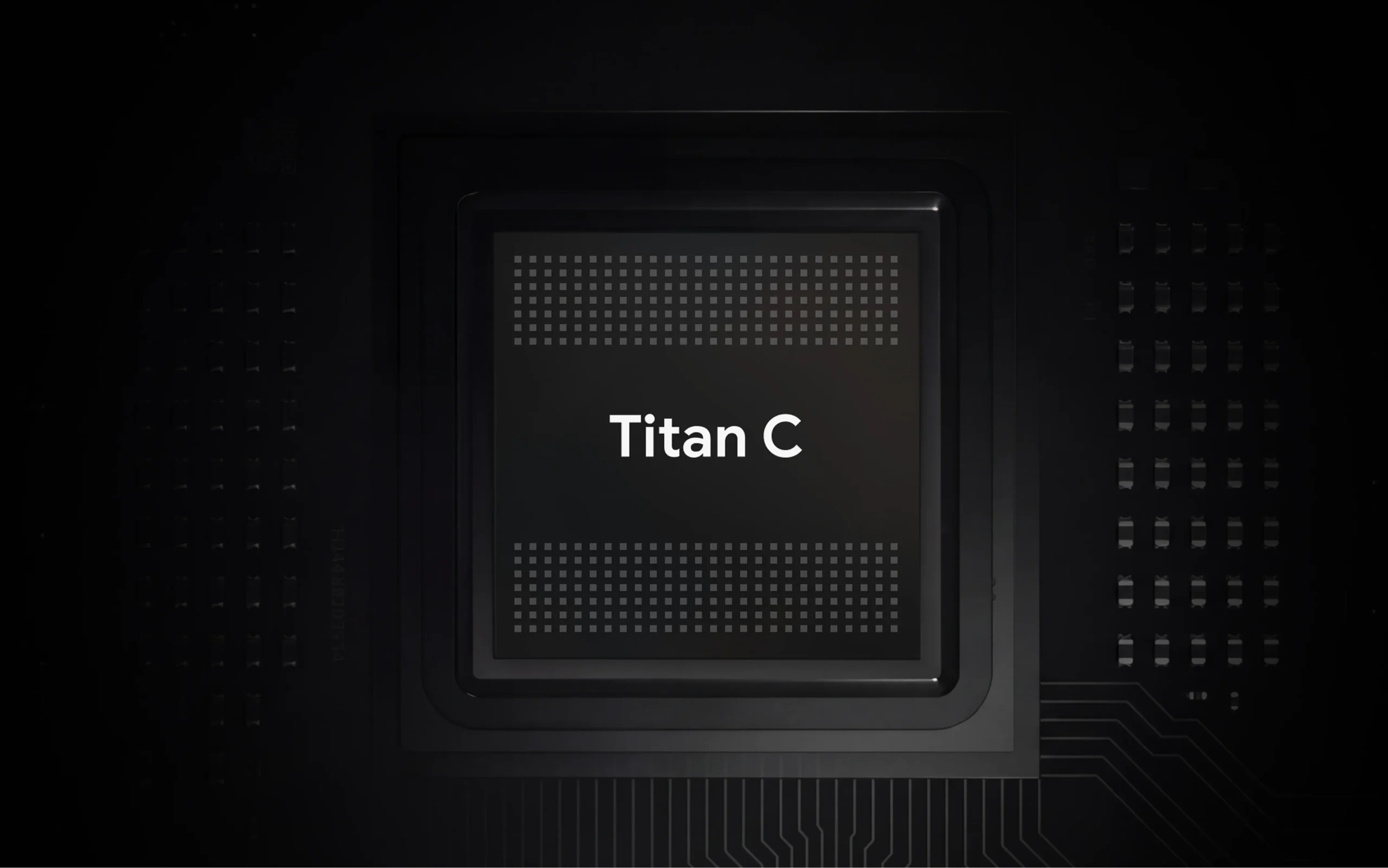
For buyers, the important details are permission controls, what data leaves the device, how long local context is retained, whether an agent can act without confirmation, and how enterprise administrators can govern those capabilities. Hardware security also matters. Googlebook, for example, pairs its broader AI experience with a dedicated Titan C security component — a reminder that “personal AI” only works if the platform can protect the personal data feeding it.
What the Day 2 PC announcements mean for buyers
- New hardware versus new software: a new PC platform would matter, but so would a meaningful expansion of what existing Snapdragon X devices can do.
- Real shipping dates: “coming soon” demonstrations are less useful than named devices, markets and availability windows.
- Battery impact: agentic systems can run continuously. Qualcomm needs to show how sustained AI activity affects battery life and thermals.
- Windows on Arm compatibility: mainstream productivity is much stronger than it was in the first Snapdragon X generation, but niche drivers, games and professional tools can still decide whether a machine fits a workflow.
- Local-versus-cloud behavior: buyers should know which features work offline and which require an account, network connection or cloud inference.
- Privacy controls: useful agents need context, so transparent permissions and clear action confirmation are essential.
- Pricing: premium AI hardware only becomes compelling when the performance, battery life and software experience justify the premium over Intel, AMD and Apple alternatives.
What the Day 2 announcements mean for developers
Developers should pay close attention to three layers. First is model execution: what sizes and model classes can run locally with acceptable latency? Second is orchestration: how easily can an application decide between CPU, GPU, NPU and cloud resources? Third is deployment: can a developer ship one agentic workflow across different Snapdragon PCs without maintaining a maze of device-specific paths?
The Modular session is especially relevant here because its title points directly at a “Unified AI Compute Layer.” The title alone does not tell us what APIs, runtimes or integrations will be announced, so Digital Pulse Brief is treating those details as unconfirmed until the presentation. But the placement of the talk immediately before Qualcomm’s PC keynote is a strong signal that software infrastructure is part of the Day 2 story, not an afterthought.
Pre-keynote tracker: what was confirmed vs expected
| Item | Status | What we know |
|---|---|---|
| Day 2 livestream and timetable | CONFIRMED | Published by Qualcomm on the event hub. |
| Personal AI & Sound keynote | CONFIRMED | 12:30 PM PT with Ziad Asghar. |
| Modular “Unified AI Compute Layer” session | CONFIRMED | 1:30 PM PT with Chris Lattner; specific product details not pre-announced. |
| Agentic PC keynote | CONFIRMED | 1:45 PM PT with Kedar Kondap. |
| A named next-generation Snapdragon PC chip | UNCONFIRMED | Qualcomm’s public Day 2 schedule does not name one. |
| More local-agent demos and partner PCs | ANALYSIS | Consistent with Qualcomm’s pre-event agentic PC material and recent Googlebook announcement, but details should wait for the keynote. |
Why this keynote matters beyond Qualcomm
The AI-PC market is quickly moving from “can this machine run AI?” to “where should AI run, and what does it cost?” Apple’s newest high-end Macs are being pitched for powerful local AI workloads, while Windows PC makers are pushing NPUs and Arm-based battery efficiency. Cloud AI remains essential for frontier-scale reasoning, but local inference can reduce latency, keep some data on-device and avoid usage-based token costs for repeated workloads.
That makes Qualcomm’s Day 2 message commercially important. The company does not just need fast silicon; it needs a credible software stack, partner ecosystem and user experience that make on-device agents more useful than a marketing label. For a comparison on the other side of the local-AI hardware race, see Digital Pulse Brief’s Mac mini M6 vs Mac Studio M5 guide.
FAQ
When does Snapdragon Summit 2026 Day 2 start?
Qualcomm lists the Day 2 opening at 9:00 AM Hawaii time / 12:00 PM Pacific Time on Wednesday, September 23, 2026.
What time is the Snapdragon PC keynote?
The “Compute Keynote: The Agentic PC is Here” is scheduled for 1:45 PM PT on September 23. That is 4:45 PM US Eastern, 9:45 PM in the UK, 1:45 AM on September 24 in Pakistan and 2:15 AM in India.
Has Qualcomm confirmed a new Snapdragon PC processor for Day 2?
Not in the public event schedule available before the keynote. Qualcomm has confirmed the PC keynote and “latest breakthroughs in the PC,” but Digital Pulse Brief is not treating any unannounced processor name or specification as fact.
Where can I watch Snapdragon Summit 2026?
Use Qualcomm’s official Snapdragon Summit event hub. It carries the schedule and livestream entry point and is the most reliable source if the broadcast URL changes.
Sources
- Qualcomm — Snapdragon Summit 2026 official event hub and Day 2 schedule
- Qualcomm — Snapdragon Summit 2026 press kit
- Qualcomm — Snapdragon 8 Elite Extreme Gen 6 and 8 Elite Gen 6 launch
- Qualcomm — Snapdragon X Series powers Googlebook
- Qualcomm — agentic AI applications on Snapdragon X Series PCs
- Qualcomm — personal AI agents and distributed on-device/cloud architecture
- Qualcomm — Snapdragon X2 Elite and X2 Elite Extreme platform announcement
- Reuters — new Macs and the economics of local AI workloads
Editorial note: This article began as a pre-event guide and was updated on September 24, 2026 with confirmed post-keynote announcements from Qualcomm. Digital Pulse Brief has not independently benchmarked any hardware discussed here. Performance and battery figures attributed to Qualcomm are vendor claims unless explicitly stated otherwise; Digital Pulse Brief has not independently benchmarked the hardware discussed here.
You may also like
Follow the next wave of AI and premium tech
Digital Pulse Brief explains the announcements that matter — with source-first reporting, practical context and no hype.
DIGITAL PULSE BRIEF NEWSLETTER
Get clear AI, technology and business insights in your inbox
Breaking developments, practical explainers, reviews and useful tech intelligence — without the noise.
WHAT TO READ NEXT
What Is an AI PC? NPU, TOPS and Copilot+ PC Requirements Explained  Meta Connect 2026 Day 1: Everything Announced — Meta VR Glasses, Ray-Ban Meta Audio, Gen 3 and Muse
  Meta Connect 2026: Start Time, How to Watch, AI Glasses, Muse and What to Expect
 MORE FROM DIGITAL PULSE BRIEF