
OpenAI DevDay 2026: Keynote Time, Livestream, Schedule and What Developers Should Watch
OpenAI DevDay 2026 · Verified preview
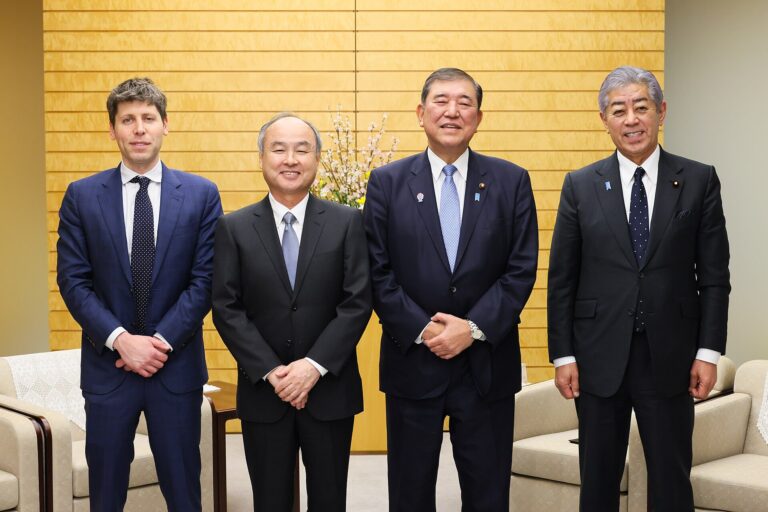
OpenAI DevDay 2026 takes place Tuesday, September 29 at Fort Mason in San Francisco. The opening keynote featuring Sam Altman starts at 10:00 a.m. Pacific Time and will be livestreamed free online. OpenAI has not published a pre-event list of specific keynote product announcements, so this guide separates what is confirmed from what is still speculation.
Featured image credit: 1515 Third Street, San Francisco. Photo: Coolcaesar / Wikimedia Commons, CC BY 4.0. Contextual OpenAI imagery; DevDay 2026 is being held at Fort Mason.
For developers, the useful reason to watch is not simply the possibility of another model name. OpenAI has spent September expanding several parts of its developer stack at once: the GPT-6 model family, a managed Agents API, full-duplex voice through GPT-Live-1, and new image-generation models. DevDay is the point where OpenAI can show how those pieces fit together, clarify production guidance, and reveal any additional tools it chooses to announce.
OpenAI DevDay 2026 keynote time and how to watch
OpenAI says the keynote is available online for free. The official DevDay 2026 page is the safest place to use for the livestream reminder and event updates. In-person applications are closed, and OpenAI says there will be no day-of tickets.
Other San Francisco sessions are scheduled to be recorded and posted on OpenAI’s website shortly after the event. That matters if you are following technical breakouts rather than the keynote alone: the most useful implementation detail often appears in sessions and documentation after the headline announcement.
OpenAI DevDay 2026 full schedule
All official San Francisco times below are Pacific Time. The keynote conversion is included for major DPB reader regions; local daylight-saving rules are reflected for September 29.
| Session | San Francisco time | What is confirmed |
|---|---|---|
| Breakfast | 8:00 a.m. PT | Attendee program opens |
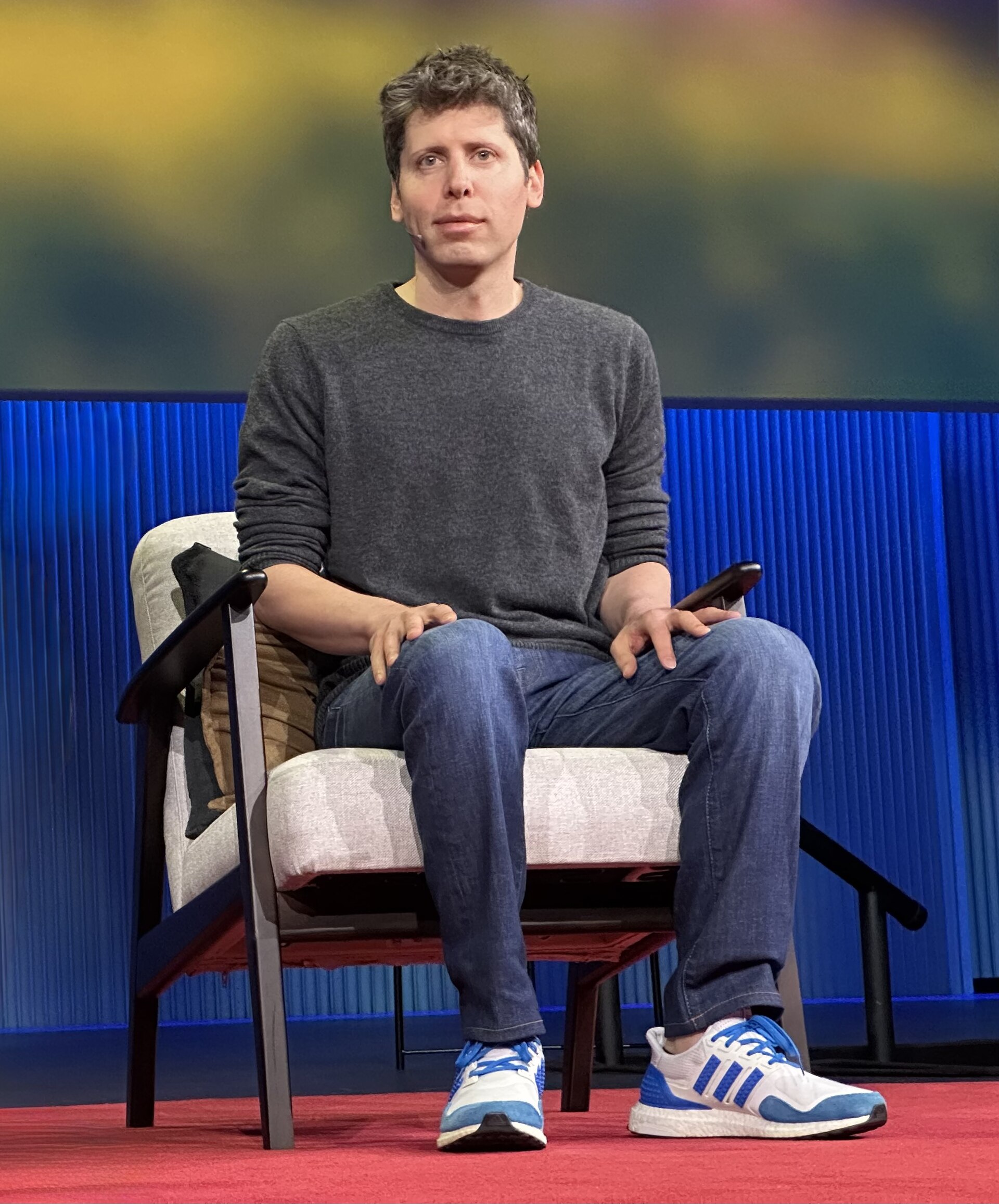
| Opening keynote | 10:00 a.m. PT | Featuring Sam Altman; free livestream |
| Breakouts & programming | 11:15 a.m.–3:30 p.m. PT | Technical sessions and programming |
| Lunch | 11:30 a.m. PT | In-person schedule |
| Closing session | 4:00 p.m. PT | Closing program |
| Reception | 4:45–7:00 p.m. PT | In-person reception |
Keynote time around the world
| Market | Local keynote time |
|---|---|
| San Francisco / Los Angeles | 10:00 a.m. PDT, September 29 |
| New York / Toronto | 1:00 p.m. EDT, September 29 |
| London | 6:00 p.m. BST, September 29 |
| Paris / Berlin | 7:00 p.m. CEST, September 29 |
| Bengaluru | 10:30 p.m. IST, September 29 |
| Tokyo / Seoul | 2:00 a.m., September 30 |
| Sydney | 3:00 a.m. AEST, September 30 |
If you are joining from outside North America, use the official event page as the final timing reference in case OpenAI changes the program.
What OpenAI has confirmed — and what it has not
The event page is unusually clear about the boundary between confirmed logistics and unreleased details. It promises a closer look at what OpenAI teams are building, technical sessions on APIs and tools, hands-on demos and workshops. It does not name a specific unreleased model or product as a keynote launch.
| Claim | Status before keynote | What readers should infer |
|---|---|---|
| DevDay is September 29 at Fort Mason | Confirmed | Official event logistics |
| Sam Altman is featured in the 10 a.m. keynote | Confirmed | Official schedule |
| The keynote is free to watch online | Confirmed | Virtual viewers can join without an in-person ticket |
| OpenAI will announce a particular unreleased model | Not pre-confirmed | Treat social posts and prediction articles as speculation unless OpenAI announces it |
| Every breakout will stream live | Not stated | OpenAI says other sessions will be recorded and posted later |
That distinction matters for a pre-keynote article. Search interest rises around major developer events, but inventing an announcement to get there first creates a worse result for readers and a page that needs corrective rewrites hours later.
What OpenAI already shipped before DevDay
Any DevDay announcement needs to be read against a developer platform that changed substantially during September. These are already-shipped products, so they form the baseline rather than a prediction list.
GPT-6 Sol and Luna are already in the API
OpenAI’s API changelog records GPT-6 Sol and GPT-6 Luna as released on September 22 for the Responses and Chat Completions APIs. The current model catalog positions GPT-6 Astra as the most capable option, Sol as the balance of intelligence and cost, and Luna as the high-volume efficiency option.
For developers, the meaningful DevDay question is therefore less “will GPT-6 exist?” and more about how OpenAI wants teams to build around the GPT-6 family: model routing, tools, long-running work, production reliability, and the cost/latency trade-offs between Astra, Sol and Luna. DPB has a separate guide to using GPT-6 Sol and Luna in ChatGPT Work and Codex for the product-side workflow.
The Agents API shifted orchestration into OpenAI’s managed layer
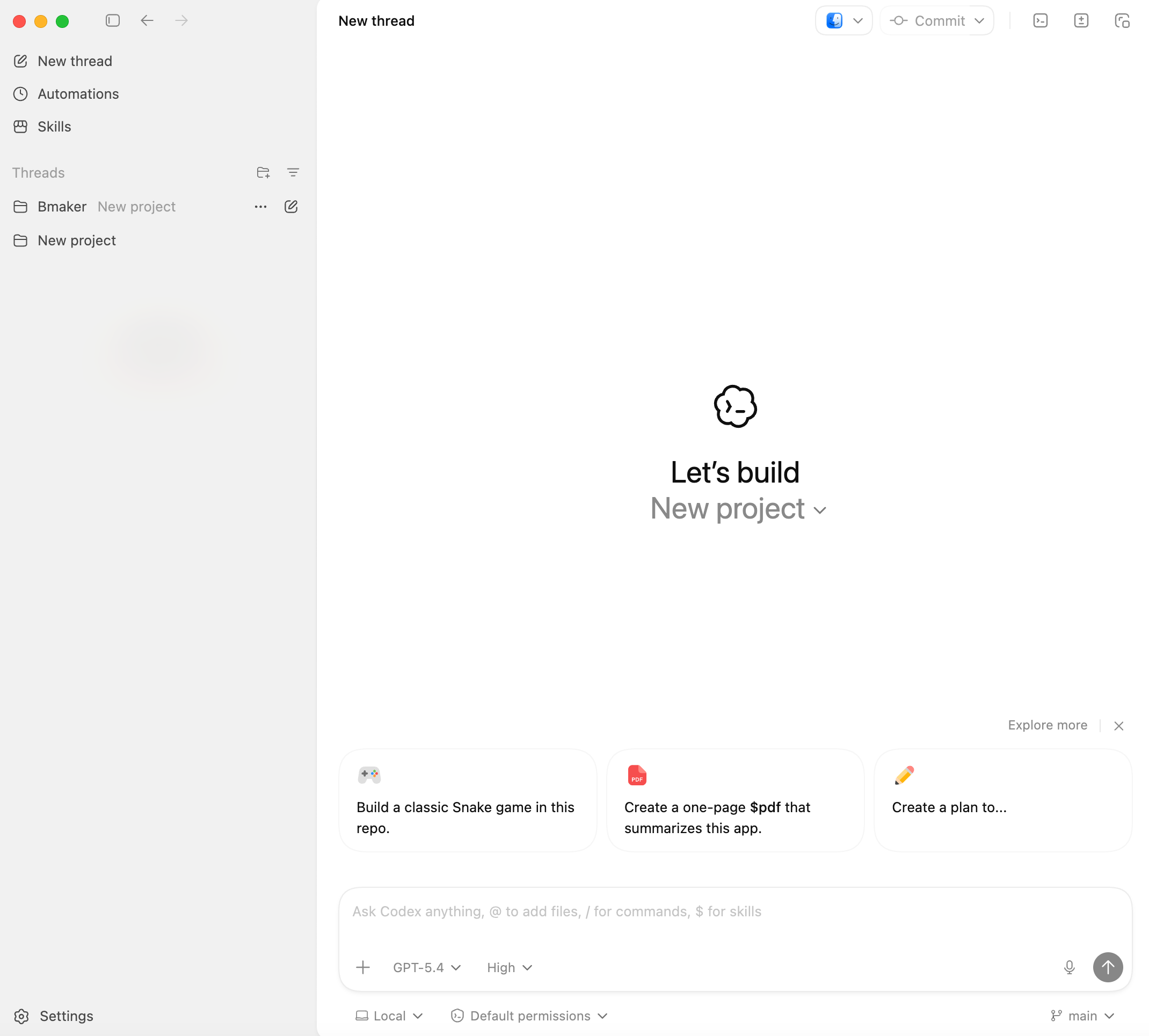
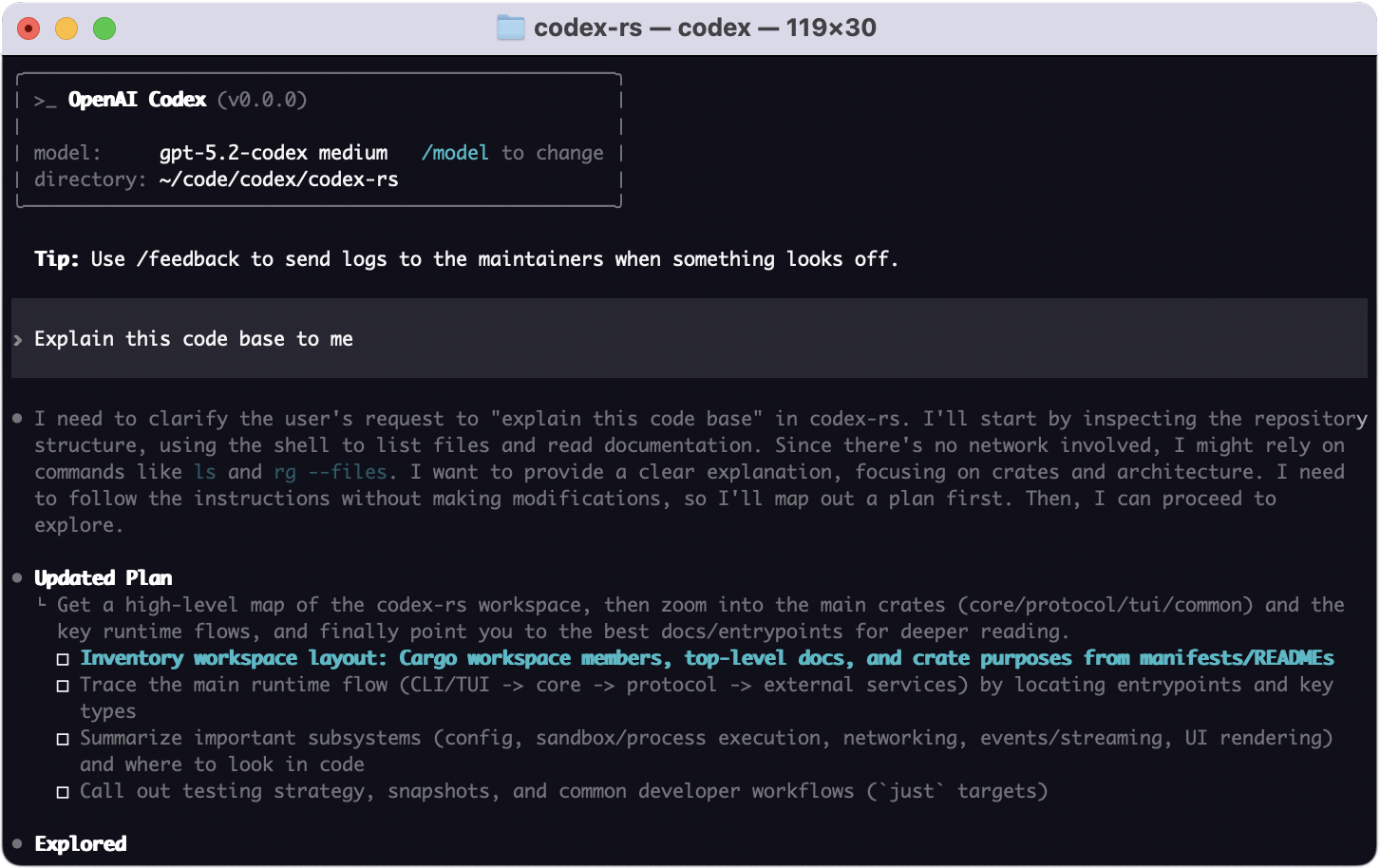
On September 10, OpenAI introduced the Agents API in public beta. OpenAI says it runs agents using the Codex harness and supports long-running sessions, hosted or external sandbox environments, MCP/custom tools, and parallel subagents. That makes agent infrastructure one of the clearest areas to watch at a developer event.
The practical question is how much operational work developers should hand to a managed agent runtime versus keep inside their own application and infrastructure. That includes permissions, observability, recovery and cost controls—not only model capability. For the underlying concept, see DPB’s explainer on how AI agents work.
GPT-Live-1 made voice a delegated agent interface
GPT-Live-1 launched in the API on September 10 as a full-duplex voice model that can listen and speak at the same time. OpenAI’s documentation also describes delegation to a backend model or agent for deeper reasoning and tool use. DevDay can help clarify how developers should combine the conversational layer with agent backends in production.
Images 2.5 expanded the multimodal developer surface
OpenAI released ChatGPT Images 2.5 on September 8 and introduced GPT-Image-2.5 Flare and Sunburst for API use. The developer question is again about integration: where image generation, editing and visual understanding belong inside broader workflows rather than as standalone demos.
What developers should watch for in the keynote
- New API surface, not just model names: listen for endpoints, SDK changes, tool support, migration requirements and general-availability dates.
- Agent deployment details: look for permissions, sandbox choices, auditability, recovery, durable sessions and production controls.
- Pricing and rate limits: verify current pricing pages rather than repeating a slide or social summary out of context.
- Availability: “announced,” “preview,” “public beta,” and “generally available” mean different things. Check regions, account tiers and rollout dates.
- Compatibility: confirm which features work in Responses, Chat Completions, Codex, ChatGPT, MCP or other surfaces.
- Safety and governance: developer-facing AI systems increasingly act on tools and data, so permissions and monitoring matter alongside benchmark gains.
A keynote demo can show the best-case experience. Production teams should wait for documentation before treating a demo as a complete specification. The same principle applies to security: tool-using systems need scoped authority and testing, a point covered in DPB’s prompt injection and AI agent security explainer and its guide to agent sandbox and policy controls.
DevDay Exchanges bring the program to more cities
OpenAI is also extending the event beyond San Francisco through DevDay Exchanges. Its official event materials list events in Bengaluru, Tokyo, Seoul, Paris, Berlin, London, São Paulo and Mexico City later in 2026. The Exchange series matters because local sessions can give developers more direct access to demos, technical talks and OpenAI teams after the main keynote.
OpenAI’s San Francisco page says DevDay is aimed at developers and hands-on technical builders, including engineers, technical founders, researchers and technical leaders. That positioning is useful context: consumer ChatGPT news may appear, but the event’s stated program is developer-focused.
How to evaluate any DevDay announcement after the keynote
For anyone evaluating a DevDay announcement for real work, use this sequence instead of reacting to a headline:
- Open the first-party announcement. Confirm the exact product/model name and release status.
- Check developer documentation. Verify endpoint, SDK and parameter support.
- Check pricing and rate limits. Separate model-token cost from tools, containers, media or other metered services.
- Read migration notes. A “drop-in” sounding launch may still change reasoning controls, tool behavior or output formats.
- Run representative evaluations. Use your own tasks, latency targets, error cases and safety boundaries before changing production traffic.
- Recheck availability. Region, account tier, beta status and rollout timing can change what your team can actually use.
This is especially important during fast launch cycles. OpenAI’s September API changelog, for example, includes both product releases and a September 25 fix to image encoding for GPT-6 Sol and Luna. “Available” is not the same as “unchanging.”
Bottom line
The confirmed reason to watch OpenAI DevDay 2026 is straightforward: it is OpenAI’s biggest developer event of the year, with a free Sam Altman keynote and a technical program centered on APIs and tools. What it does not justify before the keynote is a fabricated list of launches.
Developers will get the most value by comparing any new announcement with the products already shipped this month—GPT-6, the Agents API, GPT-Live-1 and Images 2.5—and then checking the documentation for availability, pricing, compatibility and production limits.
Primary verification: OpenAI DevDay 2026; OpenAI’s DevDay announcement; OpenAI API changelog.
Get clear AI, technology and business insights in your inbox
Breaking developments, practical explainers, reviews and useful tech intelligence — without the noise.
 Claude Opus 5.5 Explained: Pricing, Coding Gains, Safety Changes and Who Should Use It
  Gemini 3.8 Live Avatar Is Now GA: 97 Languages, Custom Avatars, SynthID and Enterprise Use